The Use of Automation Tools to Increase Efficiency in Shein’s Logistics Operations
Introduction to Shein’s Automation Revolution
In the ever-evolving sphere of fashion retail, few names stand out as prominently as Shein. Established in 2008, this online fast-fashion retailer has made waves not just for its trending styles but also for its unparalleled use of technology to streamline operations and enhance customer experience. One aspect of Shein’s operational success is its embrace of automation, which has fundamentally transformed its logistics and supply chain processes.
At the core of Shein’s strategy is the integration of advanced automation tools designed to improve efficiency throughout its logistics framework. This evolution is a response to the modern consumer’s expectation for rapid delivery and consistent stock availability. Among the key features of these automation systems are:
- Real-time inventory management: This allows Shein to maintain optimal stock levels and reduce excess inventory, which is crucial for quick turnover. With systems in place that provide instant updates on stock availability, the company minimizes the risk of stockouts or overstock situations, ultimately enhancing customer satisfaction.
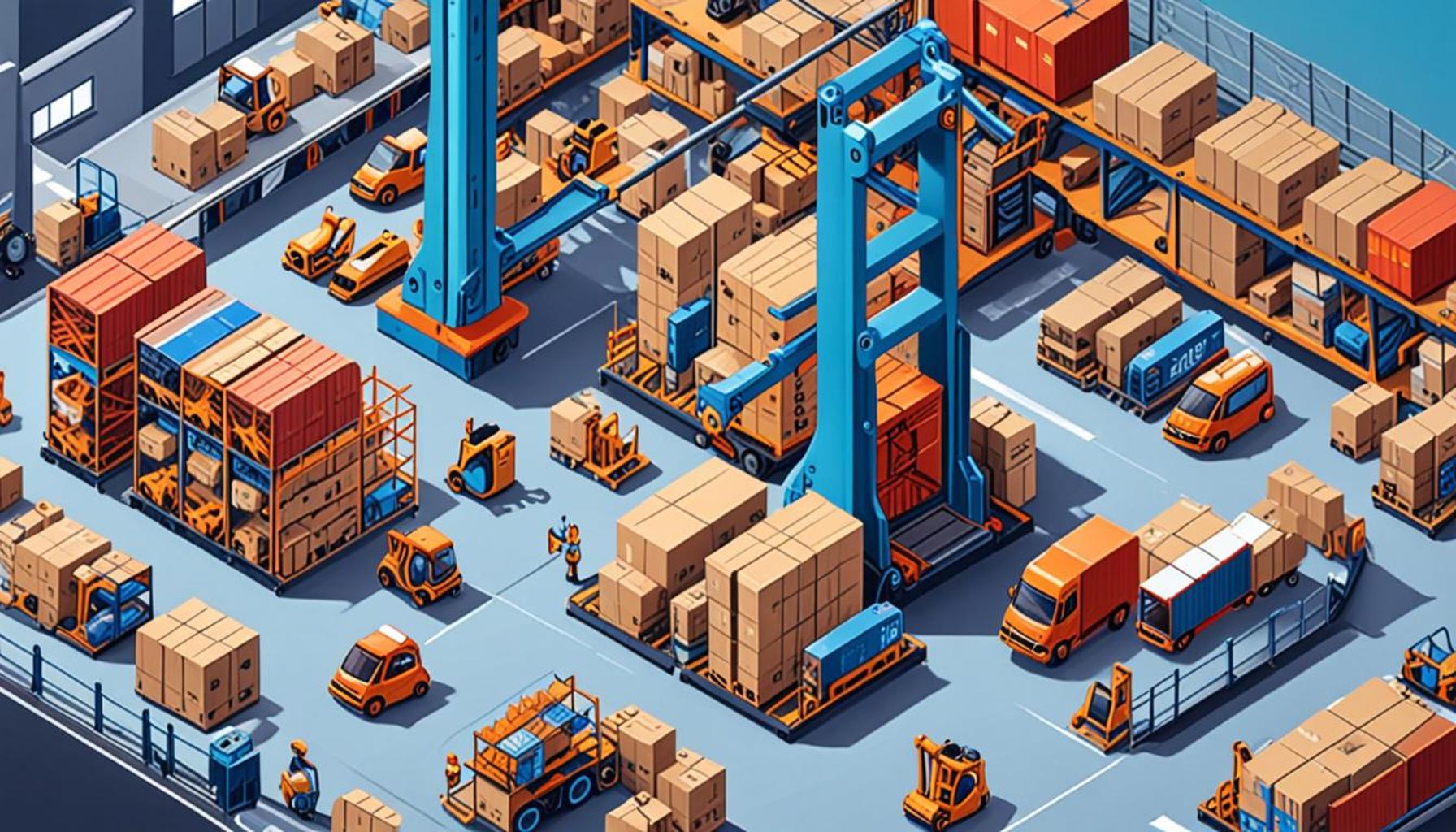
- Automated warehousing systems: Shein uses robotic technology within its warehouses to facilitate faster processing of orders. Automated guided vehicles (AGVs) and conveyor systems efficiently move products, drastically cutting down on the time needed to package and ship items. For example, in their large distribution centers, automation has enabled Shein to process thousands of orders per hour.
- Data analytics for demand forecasting: Advanced algorithms analyze consumer behavior and trends to accurately forecast demand for styles and sizes. By leveraging big data, Shein can stay ahead of fashion trends, ensuring that the hottest items are always available, which is particularly important during peak shopping seasons like Black Friday and back-to-school sales.
This proactive approach not only bolsters operational efficiency but also positions Shein to respond to the rapidly changing demands of consumers. Emerging technologies such as artificial intelligence and machine learning further empower Shein to refine its logistics strategies and dynamic pricing, ultimately setting it apart from competitors in the crowded fashion market.
As we explore the various automation tools embraced by Shein, we will uncover their profound impact on logistics and how they contribute to shaping the future of retail. From improved operational workflows to enhanced customer experiences, Shein’s innovative use of technology offers valuable insights for other retailers aiming to thrive in this fast-paced industry.
LEARN MORE: Click here to discover valuable insights
Streamlining Logistics through Automation
In today’s fast-paced retail environment, the need for efficiency is paramount, especially in the logistics operations of a fashion giant like Shein. To meet customer expectations for immediate gratification, Shein has turned to a suite of automation tools that not only streamline processes but also significantly enhance operational efficiency. The application of automation in Shein’s logistics is multifaceted, impacting everything from order processing to last-mile delivery.
At the forefront of this revolution is automated inventory management. This system leverages real-time data to track stock levels, providing Shein with the ability to monitor what’s available at any given moment. Unlike traditional methods, which often rely on manual checks and can lead to discrepancies, the intelligent systems used by Shein instantly reflect inventory movement, ensuring that popular items remain in stock. This timely responsiveness is particularly crucial during high-demand periods such as holiday sales or product launches, where the risk of stockouts could drive potential customers to competitors.
Another pivotal element in enhancing logistics efficiency is the use of automated warehousing technologies. Shein employs various types of robotics, including Automated Guided Vehicles (AGVs) and sophisticated conveyor systems, within its warehouses. These innovations drastically reduce the time required for order assembly and processing. For instance, such automation allows Shein to manage and fulfill thousands of orders daily, streamlining the journey from the warehouse to the customer’s doorstep. As a result, what would traditionally take hours or even days can now occur within a matter of minutes.
Moreover, the advent of data analytics has empowered Shein to refine its logistics operations further. By employing advanced algorithms to study consumer purchasing patterns and forecast demand accurately, Shein is better equipped to anticipate which products will be in high demand at specific times. This ability not only optimizes inventory turnover but also minimizes the risks associated with overstocking items that may not perform as well. As a consequence, the efficiencies gained here create less waste and reduce overall operational costs, which is a critical advantage in the highly competitive fashion industry.
Ultimately, the integration of these automation tools into Shein’s logistics framework serves to address and efficiently meet consumer demands while enhancing the company’s competitive edge. With the ever-increasing reliance on technological solutions in retail, Shein’s model offers a blueprint for success. As other retailers seek to adopt similar innovations, examining Shein’s approach could provide valuable lessons on how to leverage automation for greater efficiency and customer satisfaction.
The Use of Automation Tools to Increase Efficiency in Shein’s Logistics Operations
The introduction of automation tools into logistics is revolutionizing the way companies operate, and Shein is leading the charge in the fashion e-commerce sector. By leveraging state-of-the-art technology, they are able to streamline and optimize their logistics processes significantly. This not only enhances their response time to customer demands but also contributes to overall operational efficiency.
Automation tools encompass a range of technologies including robotics, artificial intelligence, and cloud-based software, each playing a crucial role in the logistics echo system. These technologies facilitate a smooth flow of information and goods, thereby ensuring timely deliveries to customers around the globe. AI-driven analytics provide informed decision-making, while warehouse robots streamline package sorting and delivery, reducing manual labor and potential errors.
Moreover, integration of automation into Shein’s logistics operations leads to increased scalability. As demand fluctuates, automated systems can quickly adjust to various operational requirements without the lag associated with human resources. This agility positions Shein favorably in a highly competitive market, enabling them to anticipate trends and react swiftly.
| Advantage | Description |
|---|---|
| Improved Accuracy | Automation reduces human error in logistics tasks. |
| Faster Processing Times | Automated systems facilitate rapid order fulfillment. |
Furthermore, Shein’s adoption of automation tools is not just about keeping pace with industry trends; it’s about setting them. As the technological landscape evolves, their commitment to innovative solutions in logistics reinforces their position as a dominant player in the market. With a heightened focus on efficiency, they are not only improving their logistics operations but are also redefining customer satisfaction and engagement in the fashion retail experience.
DISCOVER MORE: Click here to dive deeper
Enhancing Last-Mile Delivery with Smart Technologies
As e-commerce continues to evolve, last-mile delivery has emerged as a critical component of logistics operations, with Shein at the forefront of utilizing automation tools to refine this segment. One of the key innovations in this area is the implementation of advanced route optimization software, which harnesses GPS technology and real-time traffic data to determine the most efficient delivery routes. This not only reduces delivery times but also minimizes fuel consumption, contributing to cost-effectiveness and sustainability—two factors that today’s conscious consumers highly value.
Moreover, Shein has commenced partnerships with various delivery service providers that employ automated dispatching systems. These platforms rely on algorithms to allocate delivery tasks to drivers in real-time based on their location, the urgency of orders, and vehicle capacity. Such automation in dispatching enhances operational effectiveness and bolsters customer satisfaction by ensuring timely deliveries, often within the same day. In a marketplace where customers expect rapid fulfillment, leveraging these automated systems can be the difference between retaining loyal clients and losing sales to competing brands.
AI-Powered Customer Service
In conjunction with logistics automation, Shein has invested in artificial intelligence (AI) integrated customer service tools to handle inquiries related to shipping status and delivery timelines. Chatbots and virtual assistants capable of providing real-time updates can effectively manage a plethora of customer queries without the need for human intervention. This degree of automation not only enhances response times but also allows human customer service representatives to focus on complex issues that require personalized attention.
Such systems are further supported by machine learning algorithms that analyze past customer interactions to identify common issues and frequently asked questions. As these systems evolve, they become increasingly efficient and capable of providing tailored responses, thereby improving the overall customer experience—a vital aspect in the competitive landscape of online fashion retail.
The Role of Blockchain in Supply Chain Transparency
An intriguing aspect of Shein’s approach to logistics automation is its exploration of blockchain technology. This tool not only enhances the traceability of products but also serves to minimize losses due to counterfeiting and fraud—challenges that are prevalent in the fashion industry. By implementing blockchain, Shein can provide customers with verified information about the sourcing and journey of their purchases, adding an extra layer of trust.
Additionally, blockchain facilitates collaboration among various stakeholders in the supply chain, enabling real-time updates and data sharing. This transparency helps mitigate delays by ensuring all parties are on the same page regarding inventory status, order processing, and shipment details. As consumers become increasingly discerning about the origins of their purchases, the implementation of such technologies could position Shein favorably in the market.
Continuous Improvement and Future Innovations
Shein recognizes that the journey does not end with the current advancements in automation; it is an ongoing process. The company is committed to actively seeking new technologies and methodologies that can further enhance logistics efficiency. By investing in research and development for emerging tech, such as drone deliveries and automated drones in warehouses, Shein is poised to push the boundaries of what is achievable in logistics automation.
In summary, the myriad of automation tools that Shein has embraced—from AI-driven customer service and smart delivery systems to blockchain for supply chain transparency—illustrates the broad scope of innovation within its logistics operations. Each of these elements contributes to a finely tuned machine that drives customer satisfaction, while also paving the way for future advances in the retail space.
DIVE DEEPER: Click here to uncover valuable insights
Conclusion
In a rapidly shifting e-commerce landscape, Shein’s logistics operations serve as a compelling case study in the effective use of automation tools to drive efficiency and customer satisfaction. The integration of advanced technologies—from route optimization and automated dispatch systems to AI-powered customer service and blockchain solutions—has allowed Shein to streamline its supply chain processes while responding adeptly to consumer demands.
By embracing smart delivery systems, Shein has significantly enhanced its last-mile delivery capability, a critical factor in today’s fast-paced retail environment. The company’s commitment to leveraging AI and automation not only improves response times but also allows for greater scalability—an essential advantage in a market characterized by fluctuating demands. Furthermore, the transparency brought by blockchain technology fosters trust among consumers, a quality that will become increasingly paramount as buyers seek ethical and reliable fashion sources.
As automation continues to evolve, Shein’s proactive approach positions it to adopt future innovations, such as drone logistics and advanced inventory management solutions. This forward-thinking mindset, combined with ongoing investments in research and development, sets the stage for a robust logistics framework capable of navigating the challenges and opportunities of tomorrow’s retail landscape.
Ultimately, Shein’s example underscores the necessity for e-commerce businesses to embrace automation not just as a trend but as a fundamental strategy for sustaining efficiency and enhancing overall operations. As the industry adapts to new market conditions and consumer expectations, companies willing to adopt and innovate in their logistical approaches will surely rise to prominence in the competitive world of online retail.