The Influence of Automation Tools on Fashion Trend Forecasting of Shein

The Role of Automation in Fashion Trend Forecasting
The fashion industry is witnessing a seismic shift, primarily driven by the rapid advancements in technology. As brands scramble to keep pace with the continuously changing preferences of consumers, companies like Shein are redefining the landscape through the utilization of automation tools. These innovations not only enhance operational efficiency but also fundamentally transform the way fashion trends are predicted and developed.
Data Analysis: A Goldmine of Insights
One of the standout features of automation tools is their capability to analyze substantial amounts of data from diverse sources. Social media platforms like Instagram and TikTok serve as rich ecosystems of inspiration, where influencers showcase the latest styles and emerging trends. Shein leverages advanced algorithms to comb through this data, sifting through likes, shares, and comments to identify patterns.
For instance, a sudden spike in engagement around a particular color or silhouette can inform Shein’s design teams about potential bestsellers. This data-driven approach offers insights far beyond traditional methods, allowing Shein to capitalize on fleeting trends before they disappear. By using tools designed to measure emotional responses to clothing through sentiment analysis, the brand can also gauge how certain styles resonate with consumers, further enhancing their forecasting accuracy.
Speed: The Need for Agile Responses
In the fast-paced world of fashion, speed is crucial. The ability to swiftly analyze and respond to emerging trends enables Shein to reduce the time from design to retail significantly. Traditional fashion cycles, which often operate on a seasonal basis, can take months to yield new products. In contrast, automation allows Shein to introduce new styles in a matter of weeks or even days.
This agility not only provides a competitive edge but also supports Shein’s model of bringing runway looks directly to consumers. By continuously refreshing their offerings, they keep shopper engagement high, ensuring that customers have access to the latest trends without the long wait times typically associated with large-scale fashion productions.
Consumer Insights: Tailoring Experiences
The integration of automation tools directly enhances the understanding of customer behavior and preferences. Shein employs data analytics to create detailed consumer profiles, allowing them to tailor marketing strategies effectively. By analyzing past purchases, browsing history, and demographic information, Shein can deliver personalized recommendations and targeted advertisements that resonate with individual shoppers.
This level of customization not only boosts sales but also fosters brand loyalty. As consumers feel more connected to a brand that understands their unique needs, they are more likely to share their experiences within their communities—further amplifying Shein’s reach through organic word-of-mouth marketing.
Looking Ahead: The Future of Fashion Forecasting
The influence of automation in trend forecasting is just beginning to unfold. As technology continues to evolve, its integration will likely deepen, providing even more precise insights into market dynamics. For consumers, this means access to styles that reflect not only their preferences but also the broader cultural shifts occurring in society.
As Shein and other industry players modify their approaches through automation, they redefine the relationship between consumer and fashion, transforming it into a more engaging and responsive experience. This wave of innovation raises important questions for the future of fashion: How will sustainability innovations be incorporated? Will we see an increased emphasis on ethical sourcing practices? The answers remain to be seen, but one thing is for sure—the future of fashion will be shaped by the intelligent application of automation.
DISCOVER MORE: Click here to find out
Transforming Design Processes with Automation
As the demand for immediacy in fashion continues to rise, automation tools play a pivotal role in shaping the design processes at Shein. The brand, known for its rapid turnaround from concept to consumer, utilizes sophisticated design software and AI-driven technologies to streamline the creation of new collections. This transformation not only fosters innovation but also enhances collaboration within design teams, ensuring that market demands are met without sacrificing quality.
For instance, automation software allows designers to create and modify patterns with remarkable speed and precision. Rather than relying solely on manual processes, Shein’s design teams can input data directly into these systems, generating virtual prototypes in real time. This digital approach significantly reduces the traditional back-and-forth associated with physical samples, allowing teams to focus more on creativity and less on logistics. The ability to visualize designs in a digital format enables quicker evaluations of color palettes, fabric choices, and overall aesthetics before any physical garment is produced.
Predicting Consumer Demand with Machine Learning
One of the most groundbreaking aspects of Shein’s approach to fashion trend forecasting is the incorporation of machine learning algorithms. These algorithms analyze vast datasets, tracking evolving consumer preferences and behavior patterns. Shein’s tools monitor purchases, search trends, and even weather patterns to predict which styles will resonate with consumers at any given moment.
Through the use of predictive analytics, Shein can identify not just what is trending now, but also what is likely to become popular in the near future. By examining historical data alongside live market trends, the brand gains insights into aspects such as:
- Seasonal color preferences
- Styles gaining momentum across various demographics
- Consumer feedback on previous collections
- Emerging influencers and their fashion choices
This level of data analysis facilitates a deeper understanding of consumer needs, allowing Shein to align its production schedules accordingly. By anticipating demand shifts, Shein can minimize excess inventory and maximize sales potential, a crucial factor in the fast-fashion model that many competitors struggle to achieve.
Enhancing Collaboration and Communication
The integration of automation tools not only optimizes the design and production processes but also enhances communication among teams. With cloud-based platforms for sharing design files and project timelines, Shein ensures that all stakeholders, from designers to supply chain managers, are on the same page. This transparency mitigates delays and misunderstandings, fostering a more efficient workflow that is essential in the fast-paced fashion landscape.
Moreover, real-time collaboration tools allow teams to incorporate feedback instantly. If consumers express their opinions about new designs through social media or directly on Shein’s platform, the design team can make adjustments promptly. This feedback loop not only refines the current offerings but also enriches future collections by aligning closely with what consumers want.
In summary, automation tools are not merely an enhancement to Shein’s operations; they are fundamentally altering how design, forecasting, and manufacturing are conducted in the modern fashion industry. The combination of rapid analysis, agile design capabilities, and enhanced communication is setting new standards for what it means to be a responsive fashion brand in today’s marketplace.
The Influence of Automation Tools on Fashion Trend Forecasting of Shein
The advent of automation tools has revolutionized the fashion industry, particularly in how brands like Shein forecast trends. This transformation grants Shein a competitive edge by leveraging data analytics and machine learning to predict what styles consumers will crave. These advanced technologies sift through vast amounts of data, gaining insights from social media platforms, online shopping behaviors, and even search engine trends. As a result, Shein can adapt its inventory rapidly, offering collections that resonate with current consumer preferences.
Automation tools also facilitate real-time adjustments to their supply chain operations. By analyzing trend data, Shein identifies which products are gaining traction and can restock popular items swiftly while reducing losses from unsold inventory. This approach not only boosts profits but also enhances customer satisfaction, as shoppers find the latest styles available almost immediately after they surge in popularity.
Moreover, Shein’s utilization of artificial intelligence to track influencers and their impact on fashion trends allows for the identification of emerging styles before they become mainstream. This proactive approach to trend forecasting positions Shein at the forefront of the fast fashion revolution, ensuring that they remain relevant in an ever-evolving marketplace.
| Category | Key Features |
|---|---|
| Data-Driven Insights | Harnessing big data for trend prediction. |
| Rapid Inventory Changes | Efficient restocking of trending items. |
This innovative approach not only enhances Shein’s market responsiveness but also sets a precedent for how automation can be used in fashion retail, enabling brands to thrive in a competitive environment. As consumers become more digitally connected, the integration of automation tools will likely continue to shape the future of fashion forecasting, driving brands toward more sustainable and successful operations.
DIVE DEEPER: Click here to discover more insights
Consumer Engagement through Automation Technologies
In the realm of fashion, understanding consumer sentiment is paramount, and automation tools are significantly enhancing Shein’s ability to engage with its customer base. By utilizing social media analytics tools, Shein can effectively gauge public opinion on emerging trends and actively adjust its marketing strategies. These advanced tools sift through vast amounts of user-generated content, including reviews, hashtags, and comments, to capture real-time feedback that can inform everything from design choices to promotional tactics.
For instance, through sentiment analysis algorithms, Shein can determine which styles or colors resonate most with their audience, enhancing their capability to deliver products that are not only timely but also aligned with consumer desires. The sheer volume of data available from platforms like Instagram or TikTok provides Shein with a goldmine of insights, helping the brand to stay ahead of trends before they fully materialize.
Streamlined Supply Chain Management
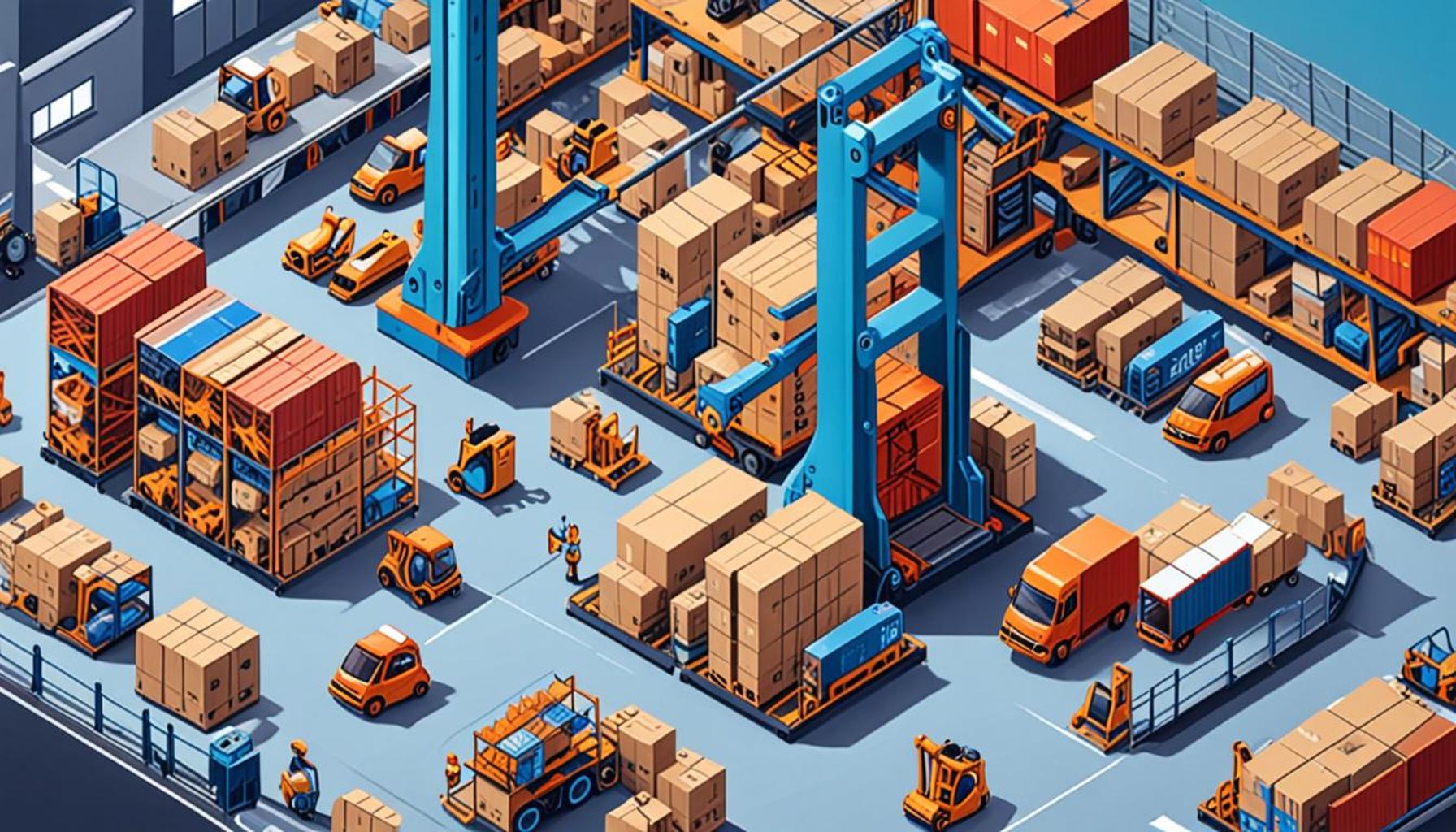
Automation tools are also revolutionizing the supply chain management at Shein, a critical factor for a brand that prides itself on speed. By employing sophisticated logistics software, Shein can manage its inventory in real time, which is vital for responding swiftly to shifting consumer demands. This level of agility is achieved through a series of interconnected systems that monitor stock levels and sales patterns.
For instance, if a particular style begins to trend, Shein can increase production volumes for that item almost instantaneously, leveraging predictive analytics to ascertain appropriate stock levels. Additionally, inventory management tools equipped with AI can provide data-driven suggestions for restocking or discontinuing products based on sales velocities and market performance. This not only reduces the risk of excess inventory but also prevents missed sales opportunities, allowing Shein to be consistently relevant in a crowded marketplace.
Personalization and Targeted Marketing
Perhaps one of the most fascinating aspects of how automation tools influence Shein’s fashion forecasting is through personalized marketing strategies. By analyzing browsing behavior, past purchase data, and demographic information, Shein can create targeted marketing campaigns that speak directly to individual consumer preferences. This tailored approach has been shown to significantly enhance customer engagement and retention.
Utilizing automation in email marketing, Shein sends personalized recommendations to users based on their previous interactions with the brand. Such recommendations often lead to increased conversion rates, as customers are presented with items that genuinely reflect their unique tastes and needs. Furthermore, Shein employs retargeting strategies, utilizing automation tools that serve ads to potential customers who have shown interest in specific products but have not yet completed a purchase.
This level of personalization not only heightens the shopping experience but also reflects Shein’s commitment to understanding its customers deeply. By leveraging behavioral data, the brand cultivates a shopping environment that feels customized, ultimately fostering a loyal customer base eager to return.
Incorporating automation tools in various facets of fashion trend forecasting and marketing strategies, Shein is adeptly positioned to navigate the fast-paced and ever-evolving fashion landscape. The blend of real-time analytics, personalized consumer interaction, and streamlined supply chain processes showcase how essential these technologies are in shaping the modern shopping experience. The integration of such capabilities offers a glimpse into the future of fashion retail, where brands can not only meet but exceed consumer expectations with unprecedented precision.
DISCOVER MORE: Click here to dive deeper
Conclusion
The impact of automation tools on fashion trend forecasting at Shein is undeniable, catalyzing a transformation in how fashion retailers operate in today’s digital-first landscape. As we have analyzed, the innovative use of data analytics, real-time inventory management, and personalized marketing strategies not only empowers Shein to predict trends with remarkable accuracy but also enables the brand to forge deeper connections with its consumers. The ability to swiftly adapt to shifting consumer preferences keeps Shein at the forefront of the fashion industry, ensuring that they remain relevant in a highly competitive market.
Moreover, Shein’s prowess in harnessing social media insights exemplifies the shift towards a more consumer-centric approach in fashion retail. By continuously analyzing user interactions and preferences, Shein fosters a shopping experience that resonates with the individual tastes of its customers, ultimately driving engagement and loyalty. The synergy between automation and consumer data not only enhances operational efficiency but serves as a blueprint for future fashion brands seeking to navigate the complexities of fast fashion.
In conclusion, as the fashion landscape continues to evolve, the integration of advanced automation technologies will likely become even more critical. For brands like Shein, which thrive on rapid response to emerging trends, staying ahead of the curve hinges on their commitment to leveraging these tools effectively. A forward-looking perspective reveals a future where automation not only shapes the fashion industry but also redefines the meaning of consumer engagement in ways yet to be imagined. To explore further, one should consider how these trends might influence the broader retail environment and set new standards for customer experience across various sectors.