
The Impact of Sustainability on Shein’s E-commerce Growth

The Growing Importance of Sustainability in E-commerce
As global awareness around climate change and environmental stewardship intensifies, e-commerce brands are faced with a pressing need to adapt their business models. One leading player in the arena, Shein, is caught in a complex web where fast fashion meets burgeoning consumer demand for eco-conscious practices. This duality provides an insightful lens into the evolving landscape of retail and the pivotal role sustainability plays in shaping its future.
Impact of Consumer Awareness
Today’s consumers are notably more aware of the environmental impact of their purchasing decisions. Surveys show that over 70% of American consumers consider sustainability important when choosing brands, leading them to favor eco-friendly options. This trend is particularly pronounced among younger demographics, like Gen Z, who prioritize transparency and responsible sourcing. For instance, many prefer brands that disclose their carbon footprint, labor practices, and use of sustainable materials.
Reputation and Brand Trust
Sustainable practices significantly enhance brand reputation. Companies recognized for their environmental commitment often experience elevated customer loyalty and increased sales. Shein is responding to this shift by implementing strategies like recycling initiatives and engaging in partnerships aimed at promoting sustainable materials. A well-documented example is their recent commitment to introduce a line made entirely from recycled materials, showcasing their efforts to bolster credibility with consumers.
Regulatory Pressures and Their Implications
Regulatory pressures are also tightening around sustainability practices. Governments in various regions are enacting stricter regulations concerning carbon emissions, waste management, and fair labor practices, compelling brands to rethink their operational strategies. In the U.S., for example, some states are implementing bans on single-use plastics, which could prompt brands like Shein to innovate towards more sustainable packaging solutions. Compliance not only helps avoid legal penalties but also positions a brand as a responsible market leader.
Competitive Landscape
The competitive e-commerce landscape is rapidly evolving, pushing brands to adopt sustainable practices or risk obsolescence. Companies like Zara and Nike have already made significant strides in sustainable fashion, investing in innovative materials and ethical production methods. This competitive pressure intensifies the need for Shein to adapt quickly and effectively to remain relevant in the market.
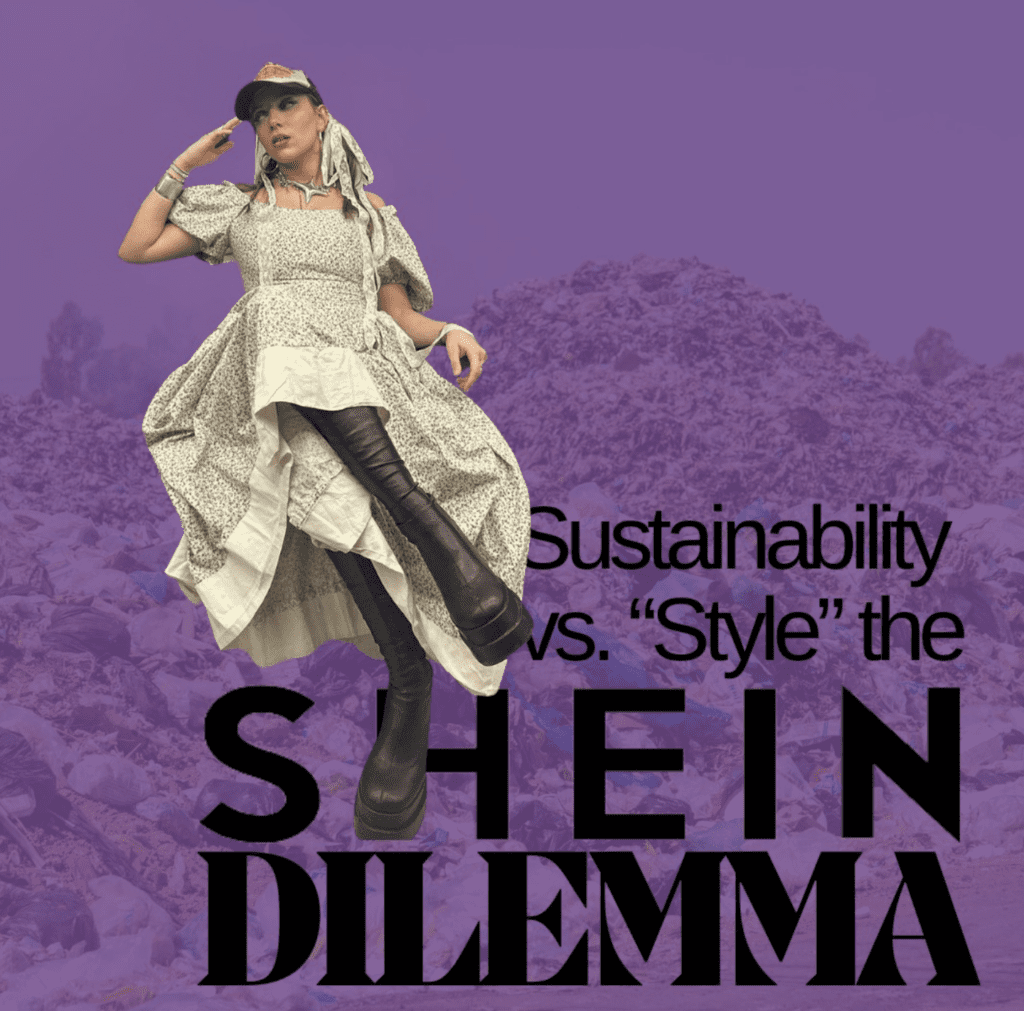
Innovative Sustainability Initiatives
Amid these pressures, Shein has taken proactive steps towards sustainability. This includes the introduction of eco-friendly materials and an exploration of clean production processes that reduce waste. Their commitment to sustainability is reflective of broader consumer trends that demand responsibility and transparency, aligning with the growing urgency for brands to demonstrate accountability in their operations.
As the e-commerce sector continues to evolve, understanding the significance of sustainability is crucial. The trends surrounding Shein and its competitors highlight that not adapting to consumer expectations around environmental impact could hinder future growth. In summary, the path forward for Shein, and indeed for the entire e-commerce industry, hinges on their ability to successfully integrate sustainable practices, thereby ensuring longevity and relevance in an ever-changing marketplace.
DISCOVER MORE: Click here to dive deeper
Shifting Consumer Preferences Towards Sustainability
As the conversation around climate change and sustainable development gains momentum, consumers are becoming more discerning regarding the brands they support. In the realm of e-commerce, this shift is particularly evident, with a clear demand for transparency and eco-friendly practices. In recent years, Shein, as one of the largest online fashion retailers, has witnessed the ramifications of these evolving consumer expectations.
According to recent studies, nearly 85% of consumers indicate they have shifted their purchasing behavior towards brands that prioritize sustainability. This trend is especially aggressive among younger buyers, with Millennials and Gen Z demonstrating a strong orientation towards ethical shopping. Key trends that illustrate this shift include:
- Preference for Sustainable Materials: Many consumers actively seek out clothing made from organic or recycled fabrics, urging brands like Shein to explore and incorporate such materials.
- Increased Demand for Brand Transparency: Shoppers are now more likely to research a brand’s practices, including its supply chain ethics, carbon footprint, and overall environmental impact.
- Willingness to Pay More: A notable portion of consumers report being willing to pay a premium for sustainable products, which highlights a potential revenue growth area for brands pivoting to greener practices.
The Economic Benefits of Sustainability Initiatives
Investing in sustainable practices not only aligns with consumer preferences but also presents a compelling economic rationale. Companies that embrace sustainability often see reduced operational costs due to increased efficiency and waste reduction. For Shein, a brand traditionally characterized by rapid fashion cycles and low-cost production, adopting sustainable practices could contribute to long-term profitability.
A recent report found that e-commerce companies integrating sustainable measures could boost their revenue by upwards of 20% over the next decade. Moreover, brands committed to sustainability experience less risk related to regulatory compliance and potential litigation regarding environmental issues.
Challenges and Opportunities Ahead
While the benefits of embracing sustainability are clear, Shein also faces a series of challenges in implementing effective eco-friendly practices. Critics often point out the inherent contradictions in fast fashion and sustainability. For example, Shein is known for its rapid production cycles, raising concerns about overconsumption and waste. To address these challenges, the brand must not only refine its supply chain to minimize environmental impact but also cultivate a more responsible consumer culture.
To truly harness the potential of sustainability in driving e-commerce growth, shein must actively undergo a transformation that resonates with its audience while championing responsible consumption. Success in this area requires an authentic commitment to sustainable practices that reflect genuine change rather than mere marketing strategies. Failure to adapt may lead to diminished consumer trust, ultimately impacting Shein’s viability in the market.
In conclusion, the evolving landscape of consumer expectations marks a pivotal moment for Shein. The intersection of sustainability and e-commerce growth is not merely an emerging trend; it is rapidly becoming a defining characteristic of the industry. As Shein navigates this landscape, the decisions made today will shape its brand identity and competitive standing tomorrow.
| Sustainability Initiatives | Impact on E-commerce Growth |
|---|---|
| Eco-friendly Materials | Shein’s commitment to using sustainable fabrics contributes to a positive brand image, attracting environmentally-conscious consumers. |
| Recycling Programs | By implementing recycling initiatives, Shein not only reduces waste but also engages customers, enhancing brand loyalty and fostering community. |
The integration of sustainability practices within Shein’s operational model has resulted in a remarkable shift in its market strategy. These initiatives play a critical role in attracting a demographic that increasingly favors brands with environmental awareness. For instance, the use of eco-friendly materials not only helps in reducing the carbon footprint but also appeals to customers who prioritize sustainable fashion choices. Moreover, Shein’s recycling programs serve a dual purpose; they minimize waste and engage consumers, fostering a community centered around sustainability.Further, the growth of Shein’s e-commerce platform is significantly influenced by its active promotion of sustainability. The incorporation of green practices not only helps mitigate negative environmental impacts but also translates into higher customer engagement and retention. By aligning their business model with the values of socially conscious shoppers, Shein positions itself as a leader in the rapidly evolving e-commerce landscape, encouraging further investigation into how sustainability can redefine consumer connections.
DISCOVER MORE: Click here to learn about innovative technologies shaping customer experiences
Brand Reputation and Customer Loyalty in the Age of Sustainability
The interplay between sustainability practices and brand reputation is becoming increasingly significant for e-commerce retailers like Shein. In today’s digital environment, where information travels quickly and customer reviews can influence purchasing decisions, a brand’s commitment to sustainability can significantly enhance its image. With over 70% of consumers indicating that they prefer to shop from brands with a positive reputation for sustainability, Shein stands at a crossroads where its future growth depends on how it navigates these waters.
One compelling example that highlights the importance of brand reputation in the sphere of sustainability is the initiative taken by other prominent retailers, such as Patagonia and Everlane. These companies have built their brands around transparency and sustainability, cultivating a loyal customer base willing to pay a premium for products they consider ethical. Shein, reputed for its affordability and variety, could potentially leverage a similar strategy to enhance its market position while catering to the growing eco-conscious demographic. This indicates a significant opportunity for Shein to not only gain market share but also foster long-term loyalty through authentic engagement in sustainable practices.
Innovations in Sustainable Practices
To sustain its growth trajectory, Shein must prioritize innovation in sustainable practices. Brands are increasingly adopting circular economy models, which focus on creating products that are designed to be reused, refurbished, or recycled. Companies like H&M have made strides in this direction by launching programs to encourage the recycling of old garments. For Shein, embracing a circular model could involve the development of a take-back program or incentivizing customers to return used clothing in exchange for discounts on new purchases.
Furthermore, integrating technologies such as blockchain to offer transparency in sourcing materials could bolster consumer trust. A recent survey revealed that 83% of consumers are more likely to support brands that provide verifiable information about their sustainability practices. By being transparent about its supply chain and manufacturing processes, Shein could not only inform consumers about the origins of their products but also rectify the misconception surrounding fast fashion as inherently unsustainable.
Community Engagement and Social Responsibility
Sustainable growth in e-commerce also hinges on community engagement and social responsibility. Shein can amplify its impact by partnering with local organizations to support social initiatives, such as fashion sustainability education programs or clean-up campaigns. By actively participating in community efforts, Shein can create a narrative that resonates with eco-conscious consumers while also promoting a positive image of the brand.
Moreover, leveraging social media platforms for storytelling initiatives can significantly enhance brand perception. Campaigns that highlight sustainable practices or feature community partners may encourage consumers to connect more personally with Shein. A well-orchestrated marketing campaign based on authenticity and responsibility not only appeals to the modern consumer’s values but also sets a precedent for industry standards in sustainability.
While Shein navigates the complexities of sustainability, the potential for innovation and community engagement presents an avenue not only for mitigating the repercussions of fast fashion but also for positioning itself as a thought leader in ethical e-commerce. The road to sustainable growth lies not only in changing practices but also in reshaping the narrative surrounding consumerism in the digital age.
NEED HELP? Click here to resolve your Shein login issues quickly
Conclusion: Shein’s Sustainable Path Forward
As Shein navigates the nuanced landscape of sustainability, its ability to adapt will determine not only its operational success but also its legacy as an e-commerce leader. The evidence is compelling; consumers are increasingly gravitating towards brands that prioritize ethical practices, with over 70% expressing a preference for sustainable shopping options. This growing trend highlights a pivotal moment for Shein to reevaluate its approach and embrace transformative practices that resonate with a more conscientious consumer base.
Innovations such as adopting a circular economy model and utilizing blockchain for transparency are not merely options for Shein—they are essential strategies to build trust and credibility in today’s marketplace. Companies like Patagonia and Everlane have demonstrated that aligning business practices with sustainability can generate not only customer loyalty but also substantial market differentiation. By committing to similar initiatives, Shein could shift consumer perceptions and reinforce its brand stature amidst growing competition.
Moreover, community engagement and social responsibility will further solidify Shein’s standing among eco-conscious audiences. By partnering with local organizations and sharing impactful stories through social media, Shein can create a narrative that captivates and retains customers, making sustainability a robust pillar of its business model.
Ultimately, the path to sustainable growth for Shein involves not just operational changes, but a cultural shift towards responsibility in fashion consumption. As the e-commerce industry embraces sustainability, Shein has the potential to lead with authenticity and innovation, setting the pace for others to follow. The time for Shein to act is now; its commitment to sustainability could very well define the future of fast fashion in a warming world.