
The Impact of Logistics and Distribution on the Success of Shein’s E-commerce
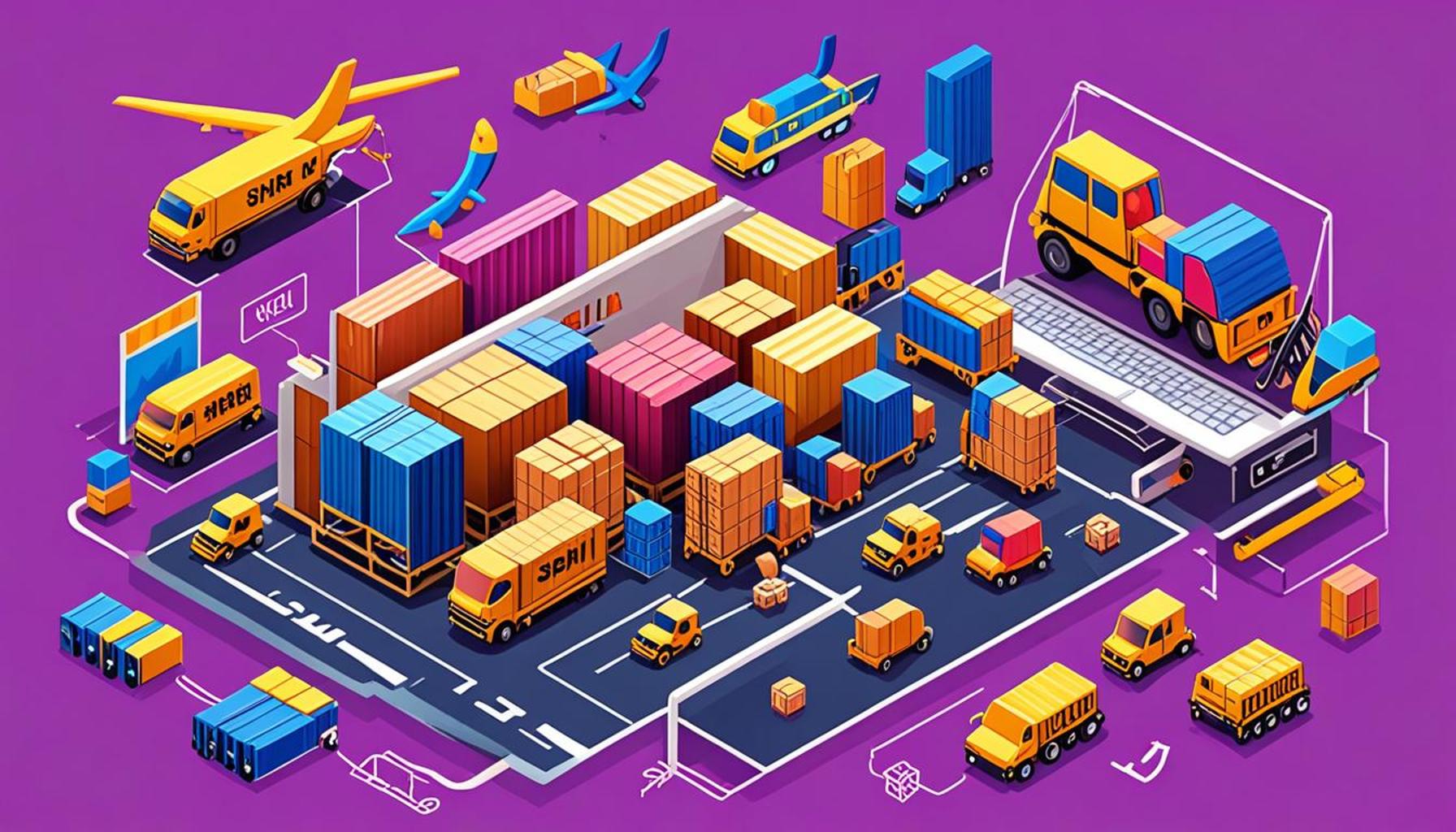
Understanding Shein’s Logistics Landscape
The seamless integration of logistics and distribution is the backbone of Shein’s operational success. As a frontrunner in online retail, Shein has mastered the art of balancing speed, efficiency, and customer satisfaction. With the surge in e-commerce, especially during the COVID-19 pandemic, companies have had to evolve rapidly, and Shein’s proactive logistics strategies exemplify a blueprint for success in this arena.
Rapid Fulfillment as a Competitive Advantage
Rapid Fulfillment is perhaps the most critical element that sets Shein apart from its competitors. The company boasts an impressive order processing system that allows it to ship items within 24 hours of order placement in many cases. This nimbleness is achieved through a combination of cutting-edge technology and an efficient workforce. Advanced algorithms not only predict demand based on sales data but also scale operations accordingly to meet fluctuating consumer needs.
For instance, during major shopping events like Black Friday or Cyber Monday, Shein ramps up its staffing and enhances its technological capabilities to ensure that orders are fulfilled without delays. This quick turnaround not only boosts sales during peak periods but also encourages repeat purchases as consumers are motivated by timely delivery.
Global Warehousing: The Key to Speedy Deliveries
Shein’s strategy of utilizing strategically located Global Warehousing also plays a pivotal role in minimizing transit times and reducing shipping costs. By maintaining warehouses in key geographic locations, Shein is able to facilitate quicker and more efficient shipping options. These warehouses are often situated within close proximity to major metropolitan areas, providing access to a larger customer base. For example, Shein has expanded its warehouse capabilities in the United States, which allows for faster shipping times to customers across the country, particularly in densely populated regions like New York and California.
Enhanced Customer Experience through Real-time Tracking
The implementation of Real-time Tracking technology further enhances the customer experience. Shein employs sophisticated tracking systems that allow customers to monitor their orders from the moment they are dispatched until they arrive at their doorsteps. This level of transparency not only builds trust but also empowers consumers by keeping them informed. Customers can receive alerts on potential delays or changes in delivery, fostering a sense of reassurance throughout the buying process.
The Broader Impact of Logistics Strategies
Understanding the logistics framework is essential for not only optimizing operational costs but also enhancing the overall shopping experience for customers. Companies can benefit from optimizing operational costs by reducing waste and improving efficiency in their supply chains. Additionally, the ability to respond to market demands promptly gives businesses a competitive edge in a rapidly changing retail landscape. As consumer preferences shift, companies that can adapt their logistics strategies will likely see sustained growth and brand loyalty.
Ultimately, the logistics and distribution strategies employed by Shein do more than just improve immediate profits; they shape long-term growth trajectories within the e-commerce sector. As this market continues to evolve, the ability of companies like Shein to innovate and optimize logistics will prove critical in meeting ever-changing consumer expectations and maintaining a strong market position.
DISCOVER MORE: Click here for essential tips for petite shoppers
Streamlined Supply Chain Management
Shein’s remarkable growth and market dominance can be largely attributed to its highly streamlined supply chain management. By integrating various logistics components, from procurement to warehousing and distribution, Shein has positioned itself to react swiftly to the volatile nature of fashion retail. This adaptability to supply chain dynamics allows the brand to deliver timely fashion trends to a diverse consumer base while minimizing costs.
One key aspect of Shein’s supply chain efficiency is its ability to source materials and manufacturing quickly. The company collaborates with a network of manufacturers primarily based in China, which provides not only cost efficiencies but also reduced production times. This network enables Shein to leverage just-in-time manufacturing practices, allowing it to rapidly adjust its offerings based on trending styles and consumer demand.
Strategic Partnerships and Collaborations
In addition to streamlined sourcing, Shein has fostered strategic partnerships with logistics providers. Collaborations with third-party logistics companies are pivotal for handling the complexity of vast order volumes. These partnerships enable Shein to distribute products efficiently across various regions, thus optimizing delivery times and reinforcing its competitive advantage.
As a result, Shein’s logistics infrastructure is capable of supporting extensive product ranges while ensuring that inventory is managed effectively. With the help of data-driven analysis and performance monitoring, Shein can identify slow-moving items and adjust inventory distribution accordingly, ultimately mitigating excess costs associated with storage and unsold goods.
Innovative Technology in Logistics Operations
Another pillar of Shein’s logistics success is the incorporation of innovative technology throughout its operations. Utilizing artificial intelligence (AI) and machine learning algorithms, Shein can forecast demand, ensuring that the right products are available at the right time. This tech-savvy approach extends beyond mere inventory management; it encompasses an entire cycle that enhances customer service measures. For instance, AI systems assist in analyzing customer preferences and habits, allowing Shein to stock items that are more likely to resonate with its target audience.
- Real-time inventory management: AI facilitates proactive inventory tracking, minimizing the risk of stockouts.
- Predictive analytics: Machine learning predicts buying trends, thus fine-tuning ready-to-ship stock levels.
- Automated warehousing: Smart warehousing solutions reduce human error and accelerate processing times.
The combination of rapid sourcing, strategic partnerships, and cutting-edge technology creates a resilient logistics operation that not only ensures efficiency but also positions Shein as a responsive player in the rapidly evolving e-commerce space.
Sustainable Practices and Responsiveness
As e-commerce grows increasingly scrutinized over its environmental impact, Shein adopts sustainable practices to enhance its reputation and operational effectiveness. By emphasizing efficient transport routes, reducing packaging waste, and exploring eco-friendly materials, Shein is addressing consumer concerns while optimizing logistics efficiency. This dual focus is a testament to Shein’s awareness of trending “conscious consumerism” practice and its consequential impact on brand loyalty.
In summary, the comprehensive logistics and distribution strategies employed by Shein provide a clear illustration of how essential these elements are to e-commerce success. As competition intensifies, the emphasis on logistical excellence will likely remain a defining attribute of Shein’s market approach and continued expansion.
The evolution of e-commerce has profoundly transformed how businesses manage their logistics and distribution, and Shein stands as a pivotal case study in this context. By adopting innovative logistics strategies, Shein has positioned itself as a leader in the highly competitive landscape of online fashion retail. One noteworthy aspect is its ability to execute rapid supply chain processes, allowing for swift responses to fashion trends and customer demand. This agility ensures that Shein can stock trendy and relevant products without significant lead times, enhancing customer satisfaction and retention.
Moreover, the use of advanced distribution technologies has enabled Shein to streamline its operations. For instance, integrating data analytics into their logistics processes provides insights directly influencing inventory management and shipping strategies. Such analytics empower Shein to predict order volumes, manage stock levels efficiently, and mitigate the risks associated with overproduction or stocking obsolete items. Furthermore, their use of a decentralized distribution network reduces shipping times, which is vital for maintaining a competitive edge in today’s market.
Shein’s emphasis on local warehousing not only shortens delivery times but also minimizes shipping costs. This model allows the company to tailor its offerings to regional preferences, directly impacting consumer satisfaction. In addition, sustainable logistics practices are becoming increasingly important; Shein is actively exploring eco-friendly shipping options to appeal to the growing demographic of environmentally conscious shoppers. As they enhance their logistics and distribution networks, Shein continues to fine-tune its strategy, adapting to the dynamic demands of the e-commerce frontier.
| Logistics Advantage | Impact on E-commerce Success |
|---|---|
| Rapid Supply Chain | Enables quick responses to market trends. |
| Data Analytics Integration | Optimizes inventory management and reduces waste. |
| Decentralized Distribution | Shortens delivery times and reduces costs. |
| Local Warehousing | Enhances customer satisfaction through tailored services. |
By leveraging these logistics advantages, Shein not only addresses immediate e-commerce challenges but also sets a framework for sustainable growth in the industry. As e-commerce continues to evolve, understanding the operational backbone of successful enterprises like Shein can provide key insights for aspiring online retailers.
DISCOVER MORE: Click here to learn about sustainability’s role in e-commerce growth
Global Reach through Diverse Distribution Channels
Shein’s logistics strategy is underpinned by its ability to utilize diverse distribution channels, allowing the brand to appeal to a global audience rapidly. By using a combination of direct shipping and warehousing options strategically located in various countries, Shein reduces shipping times, thereby enhancing customer satisfaction. Notably, distribution hubs in regions like Europe, North America, and Asia facilitate the quick dispatch of orders to millions of customers, which is crucial in the fast-paced world of e-commerce.
One impressive feature of Shein’s logistics framework is its implementation of multi-modal transportation. The brand utilizes air freight for urgent items while reserving ocean freight for less time-sensitive deliveries, thus balancing cost with efficiency. This practice not only minimizes shipping costs but also ensures that products can reach consumers before trends fade, thereby maintaining the sense of urgency and exclusivity that is central to Shein’s marketing approach.
Customer-Centric Fulfillment Solutions
At the heart of Shein’s logistics strategy is a profound commitment to customer-centric fulfillment solutions. By employing advanced technologies, such as automated order processing and smart warehousing techniques, Shein significantly reduces errors and speeds up fulfillment. Research shows that e-commerce platforms that leverage such technologies can see order accuracy rates soar above 99%, which translates to enhanced customer trust and repeat purchases.
- Expedited Shipping Options: Shein’s partnership with local carriers provides expedited shipping options, catering to impatient shoppers eager to receive their purchases quickly.
- Flexible Return Policies: A seamless return process, bolstered by strategically placed distribution centers, encourages higher purchase rates as customers feel more secure in their buying decisions.
- Localized Offerings: By analyzing customer data, Shein tailors its product availability to regional preferences, ensuring that what shoppers in New York want may differ from trends in Los Angeles, enhancing overall customer satisfaction.
The importance of a responsive logistics operation cannot be understated, especially as consumers demand transparency and speed. Shein’s adept use of tracking systems allows customers to monitor their orders in real-time, thus minimizing uncertainty inherent in online shopping. This high level of interactivity not only enhances the customer experience but significantly reduces cart abandonment rates—a critical metric for e-commerce success.
Adapting to Market Challenges
Flexibility amid uncertainties and unexpected obstacles is a hallmark of Shein’s logistical prowess. The brand has demonstrated a remarkable ability to adapt to market challenges, whether they be economic fluctuations, natural disasters, or global pandemics. By employing predictive analytics, Shein has the capability to enhance its preparedness for such disruptions, assuring its profitability even in tumultuous times.
For instance, during the COVID-19 pandemic, many e-commerce companies faltered due to supply chain interruptions. However, Shein’s robust logistics network allowed for quick adjustments in sourcing and distribution, ensuring continuous service to customers. Their savvy handling of logistics not only resulted in sustained sales during the health crisis but also solidified Shein’s position as a dominant player in the online fashion landscape.
Through innovative logistics practices and a relentless focus on customer orientation, Shein has cultivated a successful e-commerce environment. As the brand continues to evolve, the significance of logistics and distribution will undoubtedly play a critical role in shaping its future aspirations and market presence.
DISCOVER MORE: Click here to learn about the impact of personalization
Conclusion
In the rapidly evolving landscape of e-commerce, logistics and distribution stand as pivotal pillars that can dictate a brand’s success. Shein’s impressive growth trajectory within the online fashion industry is a testament to the effective implementation of strategic logistics practices. By leveraging multi-modal transportation, maintaining customer-centric fulfillment solutions, and adapting to unforeseen market challenges, Shein has positioned itself as a formidable player in a competitive market.
The brand’s aggressive use of technology enhances order accuracy and enables faster fulfillment, directly translating to improved customer satisfaction. With a global outreach that is complemented by localized offerings, Shein connects with diversified consumer bases while ensuring that regional trends are met efficiently. In an era where customers expect rapid delivery and easy return processes, Shein’s logistics framework not only meets but also anticipates these demands.
Moreover, the company’s agility during crisis situations, like the COVID-19 pandemic, has showcased its robust logistics capabilities and adaptability. As the e-commerce sector continues to expand, the emphasis on sophisticated logistics and distribution strategies will only grow stronger. For companies looking to emulate Shein’s success, understanding and investing in these foundational elements will be crucial. In essence, as Shein illustrates, the pathway to e-commerce success is intricately tied to its logistics and distribution strategies, making it a captivating subject for ongoing exploration.