The Impact of Automation Tools on Shein’s Logistics and Distribution
Transforming Logistics with Technology
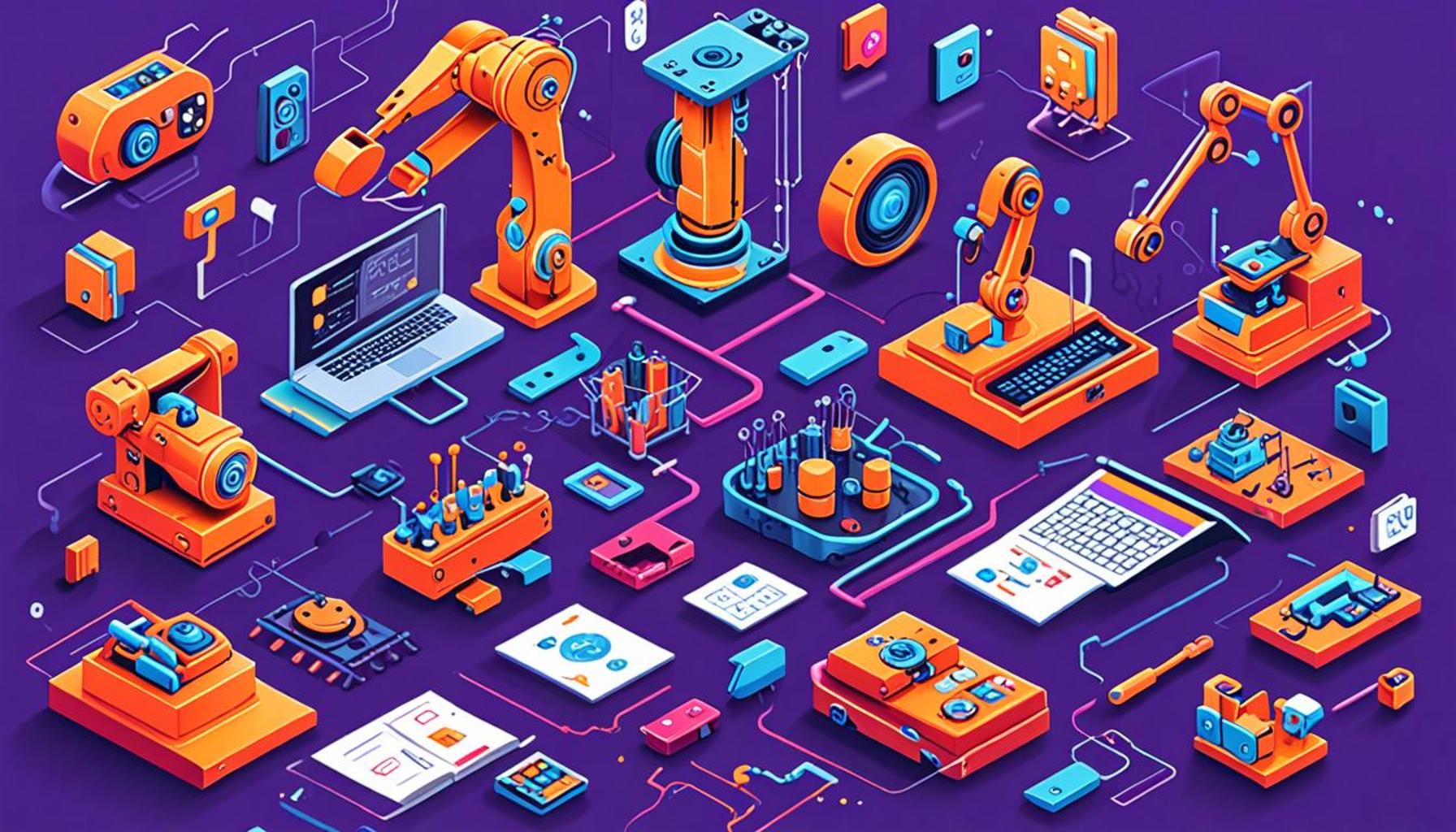
Shein, widely recognized as a global titan within the fast fashion sector, is pushing the boundaries of its operational capabilities by harnessing the power of advanced automation tools. This initiative goes beyond simply aligning with current market trends; it is redefining Shein’s entire logistics and distribution framework. By integrating cutting-edge technology into its operations, Shein is set to achieve greater efficiency, enhance sustainability efforts, and significantly boost customer satisfaction.
Warehouse Management Innovations
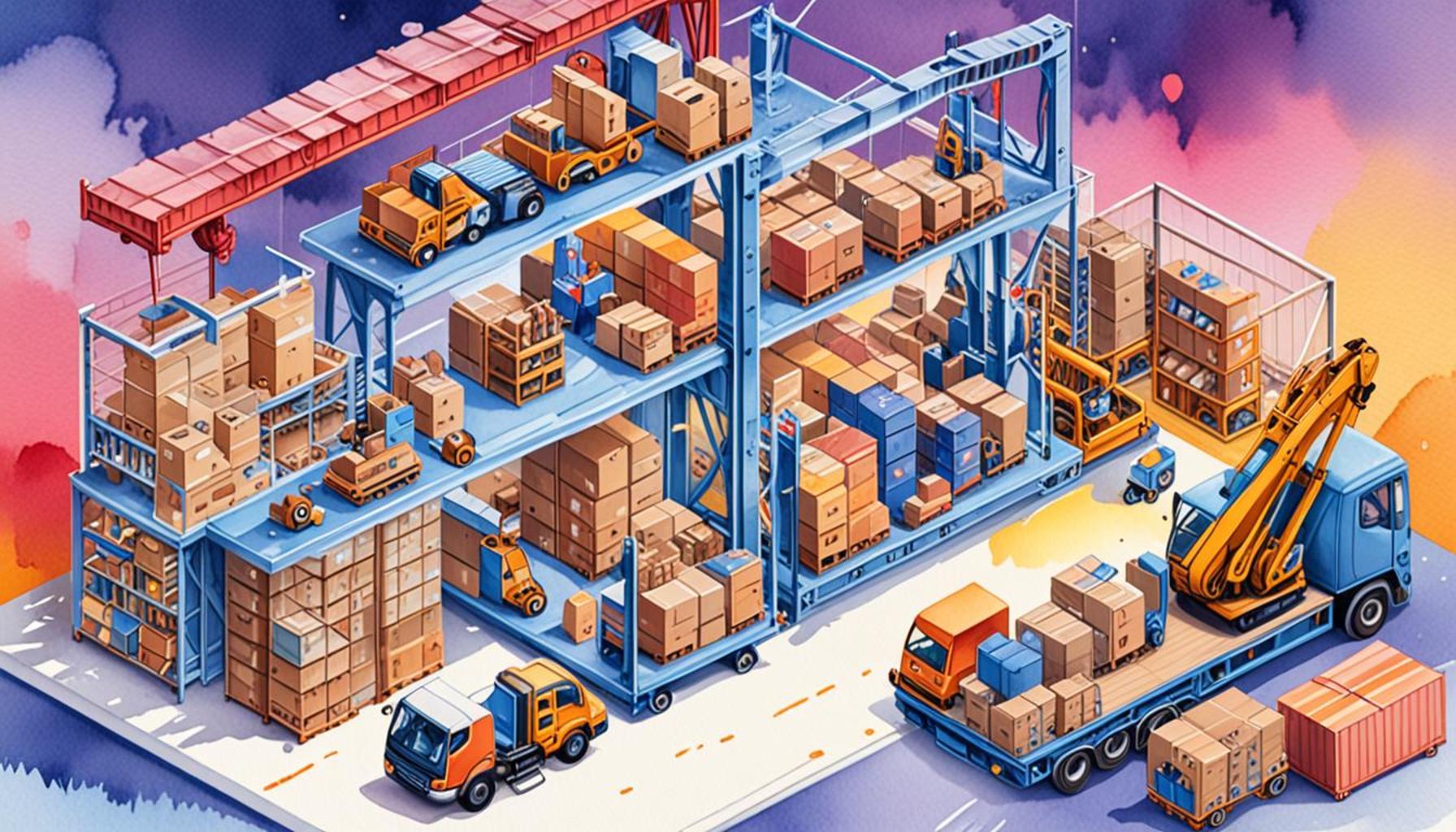
In the realm of Warehouse Management, Shein has adopted an array of robots and automated systems designed to refine inventory handling processes. For instance, automated storage and retrieval systems (AS/RS) allow for rapid organization and retrieval of goods, minimizing the time personnel spend locating products. These innovations not only facilitate a high turnover of stock but also drastically reduce the risk of human error in picking processes. As a result, Shein can maintain better inventory accuracy, ensuring products are available when customers demand them.
Enhancing Order Processing
The logistics landscape at Shein also benefits from optimized Order Processing. Utilizing smart algorithms, the company can streamline the phases involved in order fulfillment, effectively increasing the speed at which orders are processed and dispatched. For example, machine learning algorithms analyze historical sales data to predict demand for various products, enabling Shein to effectively allocate resources and stock. This swift turnaround not only caters to customer expectations but also positions Shein as a frontrunner in a competitive market.
Improving Shipping Logistics
In terms of Shipping Logistics, Shein incorporates advanced AI tools that enhance delivery route planning and lead time estimation. By analyzing traffic patterns, weather conditions, and other logistical variables, these algorithms can minimize delays and reduce the distances covered during transportation. Such strategies not only lead to faster deliveries for customers waiting for their orders but also contribute to a decreased carbon footprint—an increasingly important factor in trade and commerce.
This innovative focus on automation allows Shein to maintain flexibility and responsiveness in its operations, addressing consumer demands in real-time. By developing a more agile and resilient supply chain, the brand enhances its ability to adapt to the continuously shifting retail landscape.
As Shein’s operational methods evolve, the significance of automation in logistics will likely become a benchmark for competitors. This trend not only impacts Shein but also sets a precedent for the entire industry, signaling how companies can leverage technology for long-term success. Delving into Shein’s advancements could provide valuable insights into the future trajectory of retail logistics on a global scale.
DISCOVER MORE: Click here for essential tips for petite shoppers
Revolutionizing Distribution Processes
The implementation of advanced automation tools at Shein has led to a significant transformation in its distribution processes. As the global e-commerce landscape becomes increasingly competitive, Shein is at the forefront through the integration of technology that optimizes every step of its distribution chain. One of the standout innovations is the deployment of sophisticated sorting systems, which utilize state-of-the-art artificial intelligence to categorize and direct products swiftly. This technology not only enhances sorting accuracy but also allows for seamless integration of new stock into existing inventory, ensuring that popular items are prioritized based on real-time demand.
Streamlined Returns Management
Another area where automation has made a profound impact is in Returns Management. Shein has adopted automated return processing systems that simplify and expedite the return of products. Customers are increasingly demanding hassle-free return experiences, and by using technology to manage this process, Shein can efficiently handle returns while minimizing costs associated with reverse logistics. The automation of return labels and tracking also provides customers with a user-friendly experience, resulting in higher satisfaction levels and a greater likelihood of repeat purchases.
Data-Driven Decisions
Furthermore, automation tools empower Shein to make data-driven decisions that enhance overall logistics efficiency. By leveraging big data analytics, the company can monitor key performance indicators (KPIs) related to distribution. For instance, Shein uses these insights to identify bottlenecks in the supply chain and to forecast inventory needs more accurately. Such data allows the company to refine its strategies continuously and adapt to consumer trends with unprecedented agility. The reliance on data not only informs management decisions but also strengthens competitive positioning within a fast-paced industry.
In addition to returns management and data analytics, Shein’s use of automation extends to a robust communication framework across its distribution network. Employing cloud-based technology enhances connectivity among warehouses, distribution centers, and delivery personnel, ensuring that all stakeholders are updated in real-time. This interconnectedness minimizes delays and fosters collaboration, ultimately enhancing the efficiency of the entire logistics operation.
- Enhanced sorting systems improve accuracy and speed of product dispatch.
- Automated returns systems simplify and accelerate the returns process for customers.
- Data-driven analytics allow for informed decision-making regarding inventory and logistics strategies.
- Cloud-based communication fosters real-time collaboration among stakeholders.
As Shein continues to refine its logistics and distribution through automation, the implications extend beyond immediate operational benefits. The strategic adaptation to technology reinforces Shein’s market position, setting a standard for other players in the fashion retail sector. This revolution, spearheaded by automation, presents a significant shift in how companies engage with their supply chains and serves as a crucial blueprint for future operational excellence in logistics.
The Impact of Automation Tools on Shein’s Logistics and Distribution
In an era where speed and efficiency dictate market success, Shein has risen to become a leader in fast fashion, largely propelled by its innovative use of automation tools in logistics and distribution. These tools are not merely enhancements—they are fundamental to Shein’s operational model, allowing for dramatically improved inventory management, order fulfillment, and delivery times. One of the key components of Shein’s automation strategy is its integration of artificial intelligence to predict trends and manage stock levels effectively. By harnessing vast amounts of data, Shein anticipates consumer preferences and adjusts its inventory accordingly. This predictive capability minimizes overstock and reduces the risks associated with unsold inventory, clearly demonstrating the transformational power of automation in retail logistics.Moreover, Shein employs sophisticated warehouse management systems (WMS) that streamline the picking and packing processes. These automated systems facilitate faster processing of orders, enabling the company to dispatch goods at an unprecedented pace. As a result, Shein can ensure that its customers receive their purchases swiftly, enhancing overall customer satisfaction.The centralization of data through automation also allows Shein to optimize its supply chain. By providing real-time insights into shipping statuses and inventory levels, the company effectively mitigates delays and errors that can arise from manual processes. This level of operational transparency is crucial in today’s fast-paced e-commerce landscape.To truly grasp the expansive impact of these technologies, examining the direct advantages of Shein’s automation tools through a comparative lens is essential. Below is a table outlining key advantages related to their logistics and distribution strategies.
| Category | Details |
|---|---|
| Efficiency | Automation tools improve operational efficiency in logistics, allowing for quicker inventory turnover. |
| Cost Reduction | Reduced labor costs and optimized processes lead to overall cost savings for the company. |
The fusion of these automation technologies within Shein’s logistics framework not only enhances performance but also positions the brand as a trendsetter in the e-commerce sector, pushing competitors to adapt or risk obsolescence. As the landscape of retail continues to evolve, the emphasis on robotics, AI, and real-time data analytics remains pivotal to Shein’s sustained success and market adaptability.
DIVE DEEPER: Click here to discover more
Optimizing Inventory Management
One of the most notable effects of automation on Shein’s logistics and distribution is the optimization of inventory management. With the help of advanced forecasting algorithms, Shein can accurately predict inventory requirements, ensuring that stock levels align closely with consumer demand. This precision minimizes overstock situations, which can be particularly costly in fast fashion where trends change rapidly. According to industry analysts, effective inventory management can reduce carrying costs by up to 25%, allowing Shein to allocate resources more efficiently while also providing timely access to trending products for customers.
Automated Warehouse Operations
The role of automation is further underscored in Shein’s warehouse operations, where robotic systems play a critical role. These automated systems are capable of performing tasks such as picking, packing, and sorting with remarkable speed and efficiency. Reports indicate that warehouses equipped with automation technologies can see productivity improvements of up to 40%. By decreasing the time spent on manual labor, Shein can process orders more quickly, which is essential for maintaining its competitive edge in the fast-paced world of online shopping.
Last-Mile Delivery Innovation
Another significant aspect of Shein’s logistics that has benefited from automation is last-mile delivery. Through the integration of automated delivery systems, Shein is enhancing its logistics operations to ensure that products reach customers promptly. This includes the deployment of predictive analytics for delivery route optimization, which leverages real-time data to determine the most efficient paths for delivery vehicles. By optimizing routes, Shein reduces delivery times and costs, providing a better experience for consumers eager for their purchases. In fact, a McKinsey report finds that optimizing last-mile delivery can lead to cost savings of up to 20%, further illustrating the financial benefits of automation.
- Improved inventory management allows for alignment of stock levels with consumer demand, reducing excess inventory.
- Robotic warehouse systems enhance productivity and efficiency in order processing.
- Predictive analytics for delivery routes minimize costs and enhance customer satisfaction.
As Shein continues to embrace automation tools, the evolution of its logistics and distribution strategies reflects its commitment to remaining a leader in the fast fashion sector. The way in which Shein leverages data, robotics, and process automation offers valuable lessons for other retailers facing similar challenges in optimizing efficiency and customer service. With each advancement, Shein is not only improving its own operational frameworks but also setting benchmarks that highlight the transformative power of technology in retail logistics.
DISCOVER MORE: Click here for essential tips on layering outfits
Conclusion: The Future of Shein’s Logistics in an Automated World
As explored throughout this article, the impact of automation tools on Shein’s logistics and distribution processes is profound and multi-faceted. By integrating advanced technologies into various segments of its operations, Shein has achieved remarkable enhancements in inventory management, warehouse efficiency, and last-mile delivery. These advancements not only reduce costs but also significantly improve service delivery, catering to the demands of today’s fast-paced retail environment.
Furthermore, the implementation of predictive analytics has allowed Shein to anticipate consumer needs, effectively minimizing waste and ensuring timely stock availability. The use of robotics in warehouses has revolutionized order processing, allowing Shein to maintain its competitive edge against rivals in the global fashion market. As these technologies continue to evolve, it becomes evident that the retail landscape is shifting toward greater automation, and Shein is at the forefront of this change.
Retailers looking to enhance their own logistics and distribution frameworks can draw valuable insights from Shein’s journey. The transformative power of automation extends beyond mere cost-cutting; it is about fostering seamless operational integration that ultimately elevates customer experience. As Shein embraces the latest in logistics technology, it sets a significant benchmark for the industry while paving the way for future innovations that could reshape retail logistics as we know it.