The Future of Digital Strategies: Integrating Augmented and Virtual Reality in Marketing
The Impact of Augmented Reality and Virtual Reality in Marketing
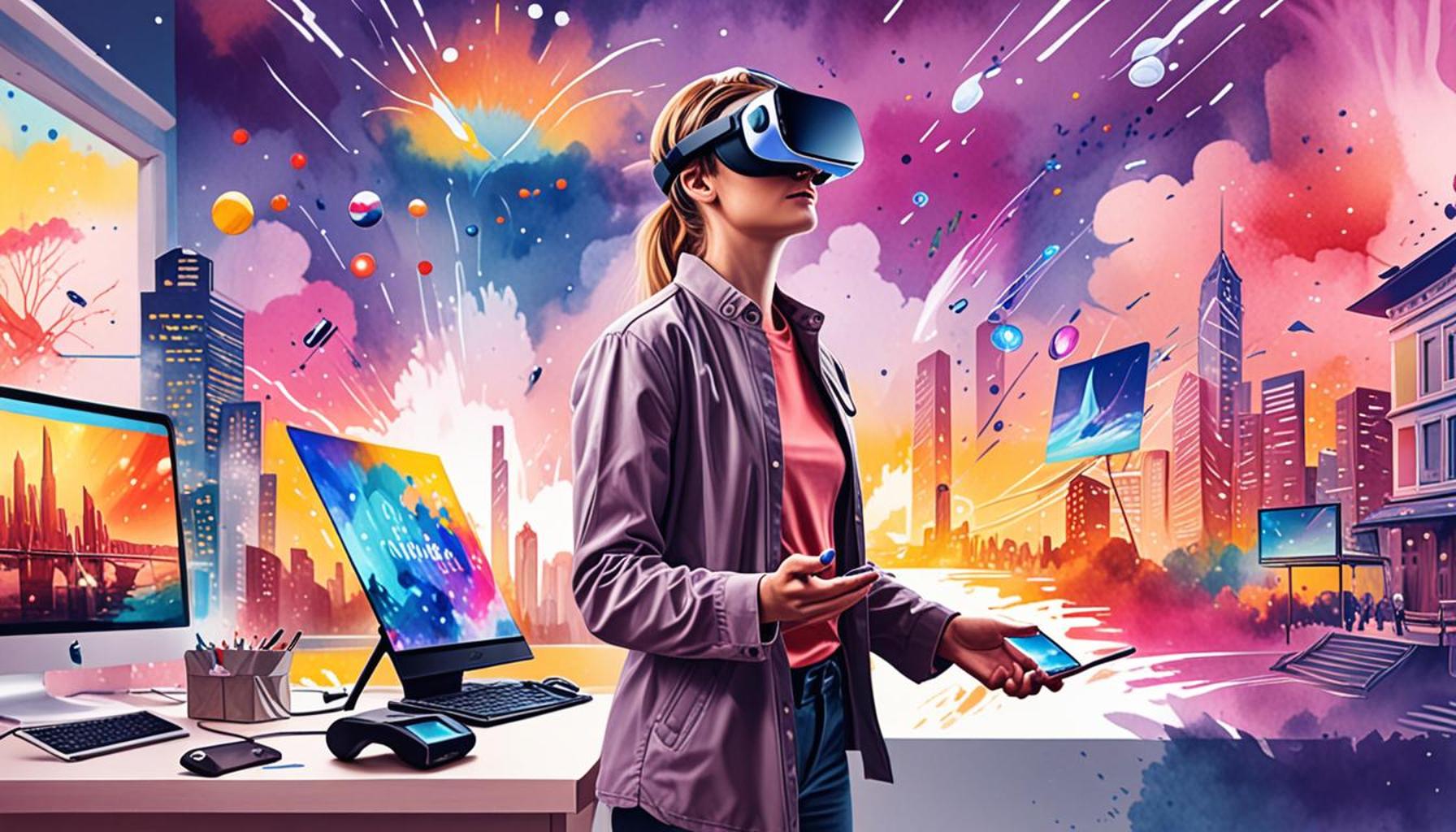
As markets and consumer behaviors shift in response to new technological advancements, marketers are embracing Augmented Reality (AR) and Virtual Reality (VR) as transformative tools that fundamentally change how brands interact with their audiences. These cutting-edge technologies create captivating, immersive environments that draw consumers in like never before.
Consider the data at hand: studies illustrate that brands utilizing AR in their marketing strategies experience a remarkable 70% increase in consumer engagement. This is particularly evident in retail settings where potential buyers can visualize products in their own space before making a purchase. For example, furniture retailers like IKEA have adopted AR applications that allow customers to see how a particular couch or piece of decor would look in their living room. This not only enhances the shopping experience but also reduces return rates for products.
Meanwhile, the power of VR can boost brand recall significantly, with reports indicating an increase of more than 90% in memorability. This is particularly powerful when marketers create immersive storytelling experiences that engage customers on an emotional level. Brands like Coca-Cola and Toyota have crafted compelling VR journeys that transport consumers into unique narratives, ultimately deepening their connection to the brand.
Furthermore, over 60% of consumers express enthusiasm for AR and VR experiences during the shopping process. Such interest signals a shifting consumer expectation, where traditional shopping methods may soon become outdated. To stay relevant, brands can utilize these advanced technologies to:
- Provide interactive product demonstrations, allowing customers to visualize how products work in real-time.
- Create immersive storytelling experiences that connect emotionally, such as virtual tours or brand history explorations.
- Offer personalized customer journeys, leveraging data to create tailored interactions based on consumer preferences.
These advancements are not just trends; they represent a fundamental shift in marketing strategy. As we navigate the future of digital marketing, brands must recognize the potential of AR and VR technologies. Understanding how to harness these innovative tools effectively can be the key to transforming customer engagement and maintaining a competitive edge in an ever-evolving landscape.
In essence, AR and VR are no longer relegated to the realm of tech aficionados; they are now mainstream tools that can define the future of marketing. Businesses that embrace these opportunities may find themselves not only capturing the attention of consumers but also fostering lasting loyalty and connection.
RECOMMENDED: Check out this similar article
Leveraging Augmented and Virtual Reality for Enhanced Customer Experiences
In today’s dynamic marketing landscape, the integration of Augmented Reality (AR) and Virtual Reality (VR) is proving to be a game-changer for brands aiming to engage consumers in ways that traditional methods simply cannot achieve. As technological advancements continue to redefine consumer expectations, brands are presented with the challenge and opportunity to evolve their marketing strategies to include these immersive technologies.
One of the most compelling aspects of AR and VR is their ability to offer customers a truly interactive experience. Unlike conventional advertisements or static online content, these technologies encourage active participation, making the consumption of marketing material feel more personal and engaging. According to recent surveys, about 75% of consumers believe that AR makes shopping more enjoyable, while 80% feel it gives them greater confidence in their purchasing decisions. The desire for immersive experiences indicates that brands must adapt their marketing approaches to meet these escalating consumer demands.
Moreover, brands can leverage AR and VR to enhance the customer journey at multiple touchpoints. For instance, the travel industry has started to incorporate VR into its marketing strategies by offering virtual tours of destinations, allowing potential travelers to explore resorts or attractions from the comfort of their homes. This level of exploration not only generates excitement but also aids in decision-making, helping consumers envision their ideal vacations.
Innovative Applications of AR and VR in Marketing
As brands explore the potential of AR and VR, they are finding innovative applications that not only resonate with consumers but also drive measurable results. Here are a few noteworthy examples:
- Virtual Try-Ons: Beauty brands like L’Oréal and Sephora are utilizing AR technology to enable customers to virtually try on makeup. This technology helps users visualize how products will look on them, enhancing the shopping experience while minimizing the risk of dissatisfaction.
- Gamification of Shopping: Retailers like Nike are incorporating AR into their mobile apps that gamify the shopping experience. This not only encourages users to engage with the brand but also incentivizes purchases through interactive games and challenges that reward participants with discounts or exclusive products.
- Enhanced Product Visualizations: Automotive brands, such as Audi and BMW, have developed VR showrooms that allow customers to experience vehicles in lifelike environments. Prospects can explore the car’s features and customization options, leading to a more informed choice.
The realization of these innovative applications of AR and VR showcases the immense potential to revolutionize marketing strategies. With their ability to create meaningful interactions and enhanced customer satisfaction, these technologies can pave the way for brands to thrive in an increasingly competitive market. As we look ahead, it becomes imperative for marketers to adopt these digital strategies and remain attuned to the evolving landscape dictated by consumer preferences.
The Future of Digital Strategies: Integrating Augmented and Virtual Reality in Marketing
As businesses continuously seek innovative approaches to engage their audiences, the integration of Augmented Reality (AR) and Virtual Reality (VR) emerges as a revolutionary solution in the marketing landscape. The potential of these technologies to create immersive experiences can redefine consumer interactions, helping brands establish deeper connections with their customers.
One of the key benefits of utilizing AR and VR in marketing is the ability to deliver highly interactive content that goes beyond traditional media. For example, brands can create virtual showrooms where customers can explore products in a lifelike environment, all from the comfort of their homes. This not only enhances user experience but also significantly reduces the gap between physical and digital shopping.
Moreover, AR and VR technologies provide extensive data collection opportunities. Marketers can analyze user interactions in real-time, gaining insights into consumer preferences, behaviors, and engagement patterns. This data can shape future marketing strategies, making them more targeted and effective. Brands can leverage these insights to tailor personalized advertisements, improving conversion rates and overall customer satisfaction.
In addition, the gamification aspect of AR and VR can also enhance brand loyalty. Interactive campaigns, where customers can participate in engaging challenges or experiences, encourage repeat interactions. Such skill-based activities not only foster a community around the brand but also increase the likelihood of word-of-mouth referrals, extending the reach of marketing efforts.
As companies strive to remain competitive in this fast-evolving digital landscape, incorporating AR and VR into their marketing strategies is not just an option but a necessity. This shift enables brands to create a more emotionally resonant narrative, driving both engagement and sales.
| Category | Key Features |
|---|---|
| Enhanced User Experience | Immersive interactions enable customers to interact with products virtually. |
| Data Analytics | Real-time insights into consumer behavior improve marketing strategies. |
| Brand Loyalty | Gamified experiences encourage customer engagement and repeat interactions. |
With the technological advancements in AR and VR continuing to advance, the possibilities for marketers are virtually limitless. Brands that embrace these innovations will not only stay ahead of their competitors but also pave the way for a new era of consumer engagement.
SEE ALSO: Click here to read another article
Creating Brand Loyalty Through Immersive Experiences
As brands navigate the fast-evolving world of digital marketing, Augmented Reality (AR) and Virtual Reality (VR) are proving to be powerful tools not only for engagement but also for fostering brand loyalty. By providing consumers with memorable and impactful experiences, companies can create a strong emotional connection with their audience—a vital component in building long-term relationships.
One significant advantage of AR and VR in marketing is their ability to deliver personalized experiences. Personalization has become a cornerstone of successful marketing strategies, with 80% of consumers more likely to purchase from brands that offer tailored experiences. AR and VR technologies allow for a level of customization that resonates with consumers’ individual preferences. For instance, clothing retailers like Zara are experimenting with AR fitting rooms where customers can see how garments look on them, enabling a personalized shopping experience tailored to their specific style.
The Role of Data in Enhancing Realities
The integration of AR and VR into marketing strategies also opens doors to rich data collection opportunities. As consumers interact with immersive content, brands gather valuable insights regarding preferences, behaviors, and engagement levels. This real-time data can inform future campaigns and product designs, ensuring brands remain relevant and connected with their audience. According to a study by PwC, immersive technologies can improve learning and retention rates by up to 75%, indicating that experiential marketing is more effective than traditional methods in fostering brand knowledge and allegiance.
Another interesting application can be seen in the real estate sector, where VR technology allows potential homebuyers to take virtual tours of properties, even before they are built. Companies like Matterport have adopted this technology to provide detailed 3D walkthroughs, enabling buyers to visualize a space that aligns with their lifestyle. This innovative approach has led to a significant increase in inquiries, demonstrating the effectiveness of immersive experiences in high-stakes decision-making scenarios.
Social Interaction and Community Building
Furthermore, AR and VR offer firms unique opportunities to cultivate community among users. Social Media platforms, such as Snapchat, have already begun utilizing AR features that allow users to engage with brands in new, creative ways. Brands that use interactive filters or lenses can drive user-generated content, fostering a sense of belonging and community among consumers. A campaign featuring AR experiences not only encourages sharing but also enables users to participate in a shared narrative, thereby strengthening brand empathy and loyalty.
As technology continues to advance, the potential applications of AR and VR in marketing will likely expand far beyond the current landscape. With a growing focus on authentic connections and enriching experiences, brands that embrace these innovative digital strategies will not only enhance their marketing efficacy but also arrive at the forefront of consumer minds, ready to meet their ever-evolving expectations.
CHECK OUT: Click here to explore more
Looking Ahead: The Transformative Power of AR and VR in Marketing
As we stand on the cusp of a digital revolution, the integration of Augmented Reality (AR) and Virtual Reality (VR) into marketing strategies promises to reshape the way brands interact with consumers. These immersive experiences are not merely a trend but a fundamental shift toward creating deeper emotional connections and personalized engagement. As seen in various sectors—from retail to real estate—the capabilities of AR and VR are unlocking new levels of creativity and interactivity. This not only enhances customer experiences but also fosters a sense of community and loyalty among users.
The rise of data-driven insights further amplifies these opportunities, allowing brands to tailor their strategies more effectively than ever before. As companies harness the capabilities of AR and VR, they can gain profound insights into user behavior and preferences, paving the way for more targeted campaigns that resonate with consumers’ needs. Brands that adapt to these technologies stand to benefit significantly, positioning themselves at the forefront of consumer awareness. In fact, as highlighted by industry research, immersive marketing can increase engagement and brand recall, leading to a more substantial market presence.
Looking ahead, the future of marketing will hinge on adopting innovative digital strategies that transcend traditional boundaries. AR and VR will likely evolve to provide even more breathtaking experiences, allowing brands to guide customers through a narrative that aligns with their values and aspirations. As this transformation unfolds, marketers must remain agile and creative, ready to embrace the evolving landscape of consumer expectations. The savvy adoption of AR and VR is not just about keeping pace with technology; it’s about forging genuine connections that can catalyze brand loyalty and drive sustainable growth.