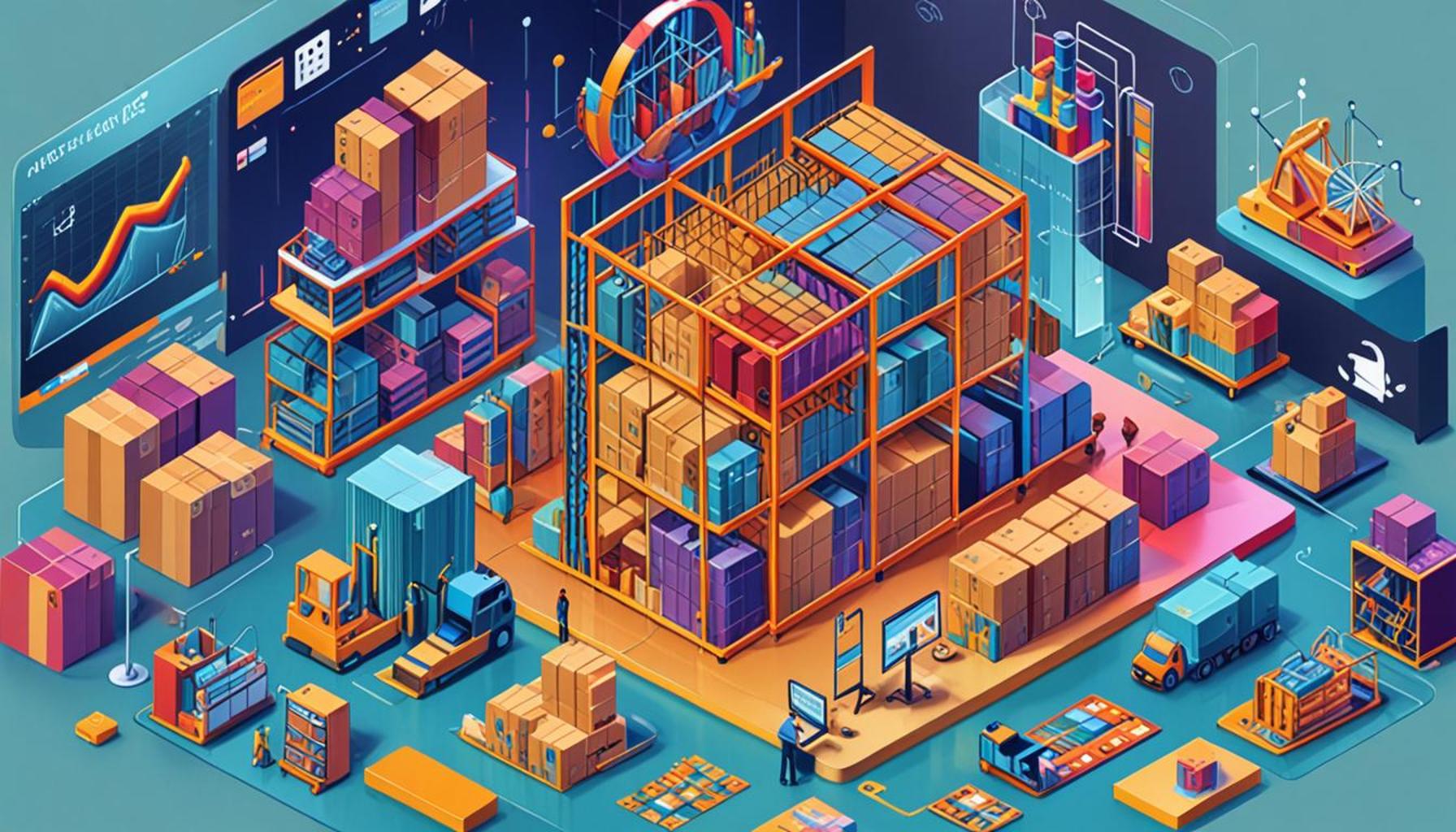
How Shein Uses Data Analytics to Optimize its Supply Chain

Shein’s Strategic Use of Data Analytics in Fashion
In the contemporary fashion world, Shein has emerged as a notable player, renowned not just for its trendy apparel but for its innovative and strategic maneuvering in a highly competitive environment. Central to its remarkable growth and adaptability is the strategic application of data analytics. By harnessing customer insights and operational metrics, Shein has revolutionized its supply chain, transforming it into an agile and efficient mechanism capable of responding to customer demands almost instantaneously.
One of the key aspects of Shein’s data strategy is its real-time data tracking. The brand meticulously collects extensive data from various consumer interactions, including website visits, social media engagement, and purchase history. This wealth of information allows Shein to identify trends as they emerge, giving the company a significant advantage over traditional retailers that may rely on slower, more conventional market research methods.
Additionally, Shein employs demand forecasting through advanced analytical models that predict not only immediate sales trends but also shifts in customer preferences. By analyzing historical sales data and current market trends, Shein can anticipate future demand with remarkable accuracy. For example, if a particular design or pattern gains traction on social media, Shein can swiftly increase production to meet the anticipated surge in orders, thus capitalizing on fleeting trends that may otherwise be missed.
Complementing this sophisticated forecasting system is Shein’s approach to inventory management. By utilizing predictive analytics, the brand optimizes its stock levels, ensuring that it maintains just the right amount of inventory. This reduces instances of overstock, which can lead to markdowns and increased waste, thus improving turnover rates. Such efficiency not only bolsters Shein’s bottom line but also aligns with growing consumer demand for more sustainable fashion practices.
The ramifications of Shein’s data-driven strategies extend beyond merely boosting profit margins; they signify a crucial evolution in how fashion retailers react to the ever-changing dynamics of the market. As consumers become increasingly conscious of sustainability and rapid fashion trends, Shein’s model serves as a reference point for other retailers striving to remain relevant and competitive in an ever-evolving industry.

In conclusion, Shein’s use of data analytics is a compelling case study in modern retail strategy. The brand not only meets customer expectations but also sets a precedent in the fashion world, encouraging peers to adopt similar innovations. As these trends continue to unfold, it will be interesting to observe how Shein and its competitors evolve in response to the inexorable shifts in consumer behavior and market demands.
DISCOVER MORE: Click here to learn how data analysis is transforming customer experiences
The Mechanics of Shein’s Data-Driven Supply Chain
At the heart of Shein’s success lies a deeply embedded framework of data analytics that efficiently navigates the complexities of the fashion supply chain. Unlike traditional retailers who typically operate on longer lead times and conservative forecasting methods, Shein embraces a reality where speed and responsiveness are essential. This agility allows the brand to capitalize on the latest trends by optimizing various facets of its supply chain through sophisticated data analysis processes.
One pivotal element of Shein’s operational model revolves around customer segmentation. By analyzing purchasing behaviors and demographic data, Shein can categorize its consumer base into distinct groups. These segments are then targeted with personalized marketing strategies, ensuring that the right products reach the right customers at the right time. This not only enhances customer satisfaction but also significantly boosts conversion rates, resulting in an improved overall shopping experience.
Furthermore, Shein’s data-driven culture enables it to streamline supplier collaboration. The brand utilizes analytical tools to assess supplier performance metrics, such as delivery timelines and quality controls. By maintaining a clear visibility of suppliers through data-sourced insights, Shein can make informed decisions about which suppliers to prioritize or diversify with, thereby mitigating risks associated with potential disruption in the supply chain. For instance, if a particular supplier consistently meets or exceeds performance standards, they may receive expedited orders, enhancing the overall operational efficiency.
To illustrate how data shapes operational decisions, consider the following points:
- Trend Monitoring: Shein actively tracks social media interactions and influencer engagements to discern trending topics and styles. This analysis allows the brand to produce and market new collections that are highly relevant to current consumer interests.
- Production Optimization: By leveraging data to adjust manufacturing quantities dynamically, Shein minimizes waste and optimizes costs, creating a more sustainable and efficient operational footprint.
- Feedback Loops: Continuous customer feedback is analyzed to refine the design process. If certain styles receive overwhelmingly positive reviews, Shein can quickly pivot to manufacture more variations of those successful designs.
This dynamic interplay of data analytics not only enhances Shein’s operational prowess but also provides a unique competitive advantage in the fast-paced fashion industry. The brand’s ability to react swiftly to changes in consumer preferences fosters a level of trust and loyalty among its clientele that many competitors strive to achieve but struggle to replicate. Thus, Shein sets a remarkable example of how modern technology, when fused with creative business strategies, transforms the traditional supply chain into a flexible and customer-centric model.
| Advantage | Details |
|---|---|
| Inventory Management | Data analytics allows Shein to forecast demand, reducing excess inventory. |
| Consumer Insights | Leveraging customer data helps Shein tailor its product offerings to current trends. |
| Supply Chain Efficiency | Analytics streamline supplier coordination, reducing lead times significantly. |
| Cost Reduction | Optimized operations lower production and shipping costs, enhancing profit margins. |
Harnessing the power of data analytics has become a keystone in Shein’s strategy to optimize its supply chain. By implementing advanced algorithms and real-time data tracking, the company enhances its processes at every stage—from understanding customer preferences to managing supplier relations. With immediate access to consumer insights, Shein can identify trending fashions and adjust its production schedules, ensuring that it aligns closely with market demand. Additionally, by analyzing data from its sales channels, Shein can predict which items will be popular, allowing for smarter inventory decisions that minimize waste. Through optimizing logistics and improving supplier interactions via data analytics, Shein not only shortens its time to market but also reduces costs associated with traditional supply chains. In this fast-paced fashion environment, Shein’s adept use of data analytics fosters responsiveness and sustainability, setting an industry benchmark that competitors are compelled to follow. Such insights into consumer behavior and supply chain efficiency ultimately deliver the competitive edge needed to thrive in today’s market.
DISCOVER MORE: Click here to learn about the automation revolution
Enhancing Inventory Management with Advanced Analytics
Among the pivotal strategies embedded in Shein’s operational framework is its unparalleled inventory management system. In an industry notorious for overproduction and unsold stockpiles, Shein employs data analytics to maintain an ideal balance between supply and demand. The brand meticulously forecasts sales by processing real-time data from various channels, including online and offline sales, enabling a dynamic approach to inventory replenishment.
For instance, Shein utilizes demand prediction algorithms that leverage machine learning techniques. By analyzing historical sales data, seasonal patterns, and even external variables such as economic indicators, Shein accurately predicts which products will sell and in what quantities. This predictive capability is crucial for minimizing surplus while ensuring that the most sought-after items are readily available for consumers.
Additionally, the company implements automated inventory monitoring systems. By continuously evaluating stock levels across different locations, Shein can make rapid adjustments and deploy products to areas where demand is surging. The rapid pivoting not only keeps inventory fresh but also reduces the time lag between when consumers express interest in a product and when it becomes available for purchase.
Shein’s commitment to data-driven inventory management sets it apart from brick-and-mortar competitors. Such retailers often face limitations due to physical store space, forcing them to overstock safer and more popular items while neglecting emerging trends. Shein, by contrast, can afford to take risks on up-and-coming designs, which are often backed by impressive data analyses that demonstrate their potential popularity.
Sustainability in the Supply Chain
As the fashion industry grapples with sustainability issues, Shein seeks opportunities to align its analytical capabilities with more environmentally friendly practices. Using data analytics, Shein is able to optimize its material sourcing and production processes to reduce waste. The brand’s analytical tools help identify the most efficient materials and production techniques, allowing for a more sustainable approach to manufacturing.
Furthermore, Shein regularly evaluates its logistics strategy through data analysis to find routes that minimize carbon footprints, thereby meeting consumer expectations for sustainability. For example, the company utilizes data analytics to improve its last-mile delivery systems, which not only cuts delivery times but also reduces emissions associated with transportation.
Customization and Personalization
Investing in data analytics also opens avenues for customization and personalization within Shein’s supply chain. By analyzing customer data at an individual level, Shein is able to offer personalized shopping experiences, such as tailored recommendations based on browsing history and purchase patterns. This approach not only enhances customer engagement but also improves sales conversions.
The ability to interpret data extends beyond simple recommendations; it also allows Shein to create customizable options for consumers. By utilizing data from user interactions, the brand can periodically introduce limited-edition products or design collaborations that resonate deeply with specific customer segments. This method of data-driven personalization not only strengthens customer loyalty but also boosts brand reputation among fashion enthusiasts.
As competition intensifies in the global fashion marketplace, Shein’s data analytics-driven decisions underscore its commitment to operational excellence, inventory efficiency, and sustainability. By harnessing technology and consumer insights, the brand continues to redefine the standards of supply chain optimization, setting benchmarks that not only enhance its market position but also reshape the broader industry landscape.
DISCOVER MORE: Click here to learn about the role of social media in customer experience
Conclusion: The Future of Fashion Supply Chains
In an era where rapid consumer trends and sustainability concerns dominate the fashion landscape, Shein’s innovative use of data analytics sets a precedent for supply chain optimization. From enhancing inventory management through predictive algorithms to employing real-time data for logistics efficiency, Shein not only navigates the complexities of demand and supply but also leads the charge in sustainable practices.
The integration of automated systems and data-driven decision-making allows Shein to respond swiftly to market fluctuations, ensuring that popular styles are available while reducing wasteful overproduction. Moreover, the brand’s focus on customization and personalization enhances the overall shopping experience, fostering deep connections with consumers and driving sales conversions.
Looking ahead, Shein’s approach provides valuable insights for the fashion industry as a whole. Brands aiming to thrive in a competitive environment must prioritize data analytics to deliver agile operations and environmentally conscious practices. As algorithms and technologies continue to evolve, the potential for more optimized, responsive, and sustainable supply chains becomes ever more attainable.
As Shein reshapes its supply chain through data analytics, it invites others to reassess traditional paradigms within the industry. The inquiry into the ongoing transformation fueled by data will reveal not just the immediate benefits of efficiency but also the long-term implications for the future of fashion. With consumer expectations continually shifting, the question remains: how will other brands adapt to keep pace with the trailblazing benchmarks set by Shein?