The Revolution of Automation Tools in Shein’s Inventory Management

The Evolution of Retail Operations
The retail landscape is undergoing a significant transformation, particularly with the rise of automation technology that is reshaping how companies like Shein handle their inventory. In a fast-paced fashion market where trends can change rapidly, effective inventory management is not just beneficial; it is essential. By leveraging advanced automation tools, Shein has been able to streamline operations, ensuring their inventory aligns more closely with consumer demands.
One of the standout features of automated inventory management is real-time tracking. Automated systems empower businesses to monitor stock levels instantaneously, allowing them to reorder products before running out or overstocking. For instance, retailers can utilize RFID technology or barcode scanning to keep a precise count of items as they are sold. This capability is crucial during peak shopping seasons, like Black Friday or the holiday season, when customer demand surges and mismanagement can lead to lost sales opportunities.
Another significant advantage is data analysis. Today’s sophisticated algorithms can analyze consumer purchasing behavior, enabling retailers to predict trends and adjust their inventory accordingly. Shein, for example, uses predictive analytics to determine which styles will be popular in the coming weeks based on past sales data and social media trends. This foresight helps them maintain a lean inventory, reducing excess stock and associated costs.
Moreover, automation leads to reduced manual errors. Traditional inventory management often relies heavily on human input, which can result in mistakes that skew data and complicate restocking efforts. Automated systems minimize these errors, ensuring that the information reflected in their inventory databases is accurate and up to date. This precision is vital for enhancing operational efficiency and building trust with consumers, who expect reliable availability of their desired products.
As an innovative leader in the fast-fashion industry, Shein’s adept utilization of automation enhances not only their operational efficiency but also significantly boosts customer satisfaction. The ability to rapidly analyze vast amounts of data enables Shein to adapt quickly to shifting fashion preferences, keeping them ahead in a competitive market.

This article delves deeper into the specific automation tools employed by Shein and examines their far-reaching impact on inventory management practices. Furthermore, it will explore the future of this transformative approach within the retail sector, highlighting how other companies might adopt similar strategies to thrive in this dynamic environment.
DISCOVER MORE: Click here for a quick refund timeline and process guide
Harnessing Technology: The Tools Behind Shein’s Success
At the heart of Shein’s transformation in inventory management lies an array of automation tools that amalgamate cutting-edge technology with data-driven insights. These tools not only enhance operational speed but also empower the brand to maintain accuracy and adaptability in a world defined by swift fashion trends. Let’s explore some of these innovative tools that have revolutionized how Shein tracks, manages, and replenishes its inventory.
1. Inventory Management Software
One of the cornerstones of Shein’s inventory management strategy is its sophisticated inventory management software, which plays a crucial role in centralizing an extensive database of product information. This software enables Shein to:
- Monitor Stock Levels: With real-time updates, managers are informed of stock levels across various categories, allowing timely restocking.
- Optimize Reordering: Automated reorder triggers based on predefined stock levels avoid both shortages and overstock.
- Track Inventory Across Locations: Shein can efficiently manage inventory across regional warehouses and sales channels.
This intricate network of software tools enables Shein to sustain a swift replenishment flow that matches consumer buying patterns, thus minimizing any disruptions to the shopping experience.
2. Advanced Analytics and Machine Learning
Another area where Shein excels is in the use of advanced analytics and machine learning. By leveraging vast amounts of sales data and consumer interactions, Shein can unpack valuable patterns within its inventory. These technologies facilitate:
- Demand Forecasting: Utilizing predictive models, Shein anticipates future demand and aligns its inventory with consumer behavior patterns.
- Trend Analysis: By examining social media metrics and influencer outreach, Shein identifies emerging trends early on, enabling rapid product launches.
- Customer Segmentation: Understanding customer preferences allows Shein to tailor its inventory to different demographic segments, ensuring that popular items are widely accessible.
For instance, recent analysis indicated a significant rise in eco-friendly product demand among younger consumers. Shein quickly adapted its inventory to feature more sustainability-focused collections, demonstrating how analytics can shape inventory decisions and align with consumer values.
3. Robotics and Automation in Warehousing
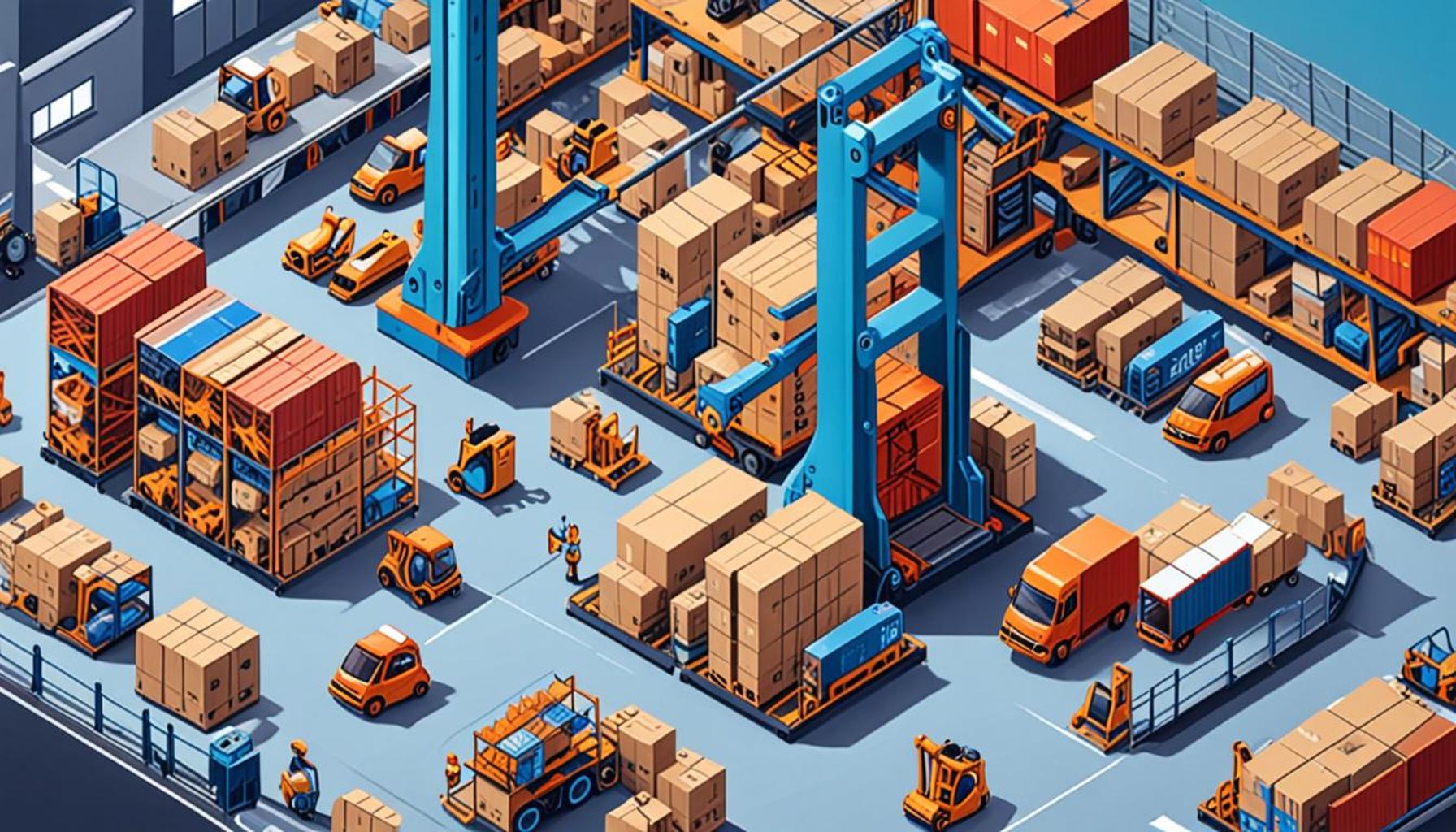
Lastly, Shein’s commitment to automation extends beyond software into the physical realm of warehousing. The integration of robotics in warehousing operations is proving pivotal, as automated picking and sorting systems facilitate:
- Efficiency in Order Fulfillment: Automated systems can quickly locate and retrieve products, ensuring faster dispatch times.
- Reduced Labor Costs: With robots handling repetitive tasks, human workers can focus on more complex operations, thus optimizing labor resources.
- Enhanced Accuracy: Automation reduces the chances of human error during the picking process, leading to improved customer satisfaction.
This investment in warehouse automation not only streamlines operations but also allows Shein to handle an ever-increasing volume of orders as they expand their customer base globally.
In closing, the comprehensive suite of automation tools employed by Shein significantly contributes to their agile inventory management, ultimately allowing for a dynamic response to market demands. As we delve deeper into the specifics of Shein’s automation strategies, it becomes clear that this approach is not just a trend but a potential blueprint for the future of retail inventory management.
| Advantage | Description |
|---|---|
| Enhanced Efficiency | Automation tools streamline the inventory management process, reducing manual errors and saving time. |
| Real-Time Data Analysis | Access to live inventory data helps Shein make informed stocking decisions, optimizing supply chain performance. |
| Cost Reduction | Lower staffing costs arise from reduced manual oversight, coupled with minimizing excess inventory through better forecasting. |
| Sustainability | Less waste through improved inventory turnover contributes to a more sustainable business model, aligning with eco-conscious consumer demands. |
As the retail landscape continues to evolve, the integration of automation tools within Shein’s inventory management provides significant advantages that further position the brand as a leader in the fast-fashion industry. The enhancement of efficiency through these tools minimizes human error and accelerates the overall process. Moreover, real-time data analysis allows for predictive insights, which are crucial in responding to consumer trends and managing inventory levels effectively. With automation playing a pivotal role, the financial impact is notable—cost savings from reduced labor and optimized inventory practices drive profitability. Not only does this foster a more agile and responsive operational framework, but it also aids in establishing a commitment to sustainability by reducing waste through improved inventory practices. This compelling combination of benefits makes the revolution of automation tools in inventory management an essential topic for those looking to stay ahead in the competitive fashion industry.
DISCOVER MORE: Click here to delve deeper
Accelerating Supply Chain Efficiency through Integration
Shein’s sophisticated use of automation tools extends beyond mere inventory management; it reflects a comprehensive strategy to enhance supply chain efficiency. By integrating these tools seamlessly into their operations, Shein is able to respond adeptly to the demands of a rapidly evolving market, ensuring a dependable supply of products to their customers.
4. Just-In-Time (JIT) Inventory Management
A key philosophy underpinning Shein’s inventory system is the implementation of a Just-In-Time (JIT) inventory management approach. This method focuses on aligning production schedules and inventory levels closely with real-time consumer demand. By adopting JIT, Shein can:
- Minimize Inventory Holding Costs: With reduced stock levels, the company decreases its storage costs while increasing cash flow.
- Enhance Product Freshness: Regularly rotating inventory allows Shein to offer the latest fashion trends, appealing to its target demographics.
- Improve Responsiveness: JIT enables quick changes to production runs based on immediate sales data, ensuring that hot-selling items remain in stock.
The incorporation of JIT reflects Shein’s understanding of consumer psychology, where the thrill of new arrivals drives purchase decisions. This strategic alignment keeps their inventory as dynamic as their customer preferences.
5. Blockchain for Transparency and Security
In a further stride towards modernization, Shein is exploring blockchain technology to enhance transparency throughout its supply chain. This revolutionary tool facilitates:
- Traceability: Products can be tracked from manufacturing through to sale, ensuring that customers can access information about sourcing and production.
- Fraud Prevention: Blockchain’s secure ledger system helps mitigate risks of counterfeit products entering the supply chain.
- Stronger Supplier Relations: Transparent interactions foster trust between Shein and its suppliers, facilitating smoother operations and higher product quality.
This forward-thinking application of blockchain technology not only aligns Shein with current trends toward sustainability and ethical sourcing but also addresses consumer demands for accountability in the products they purchase.
6. Cloud Computing and Remote Management
The integration of cloud computing solutions plays a significant role in Shein’s operational framework by enabling greater scalability and flexibility. The benefits include:
- Real-Time Collaboration: Cloud platforms allow cross-functional teams to collaborate remotely, ensuring all departments are synchronized in their inventory management efforts.
- Data Accessibility: With data stored in the cloud, stakeholders can access up-to-the-minute information regardless of their location, which helps in making informed decisions swiftly.
- Cost Efficiency: Cloud solutions reduce the need for extensive IT infrastructure, allowing funds to be redirected towards enhancing core business initiatives.
Through cloud computing, Shein can maintain a competitive edge by promoting a more agile work environment, essential for navigating the unpredictable nature of the fast fashion industry.
In essence, the multifaceted automation tools employed by Shein not only enhance their inventory management but also enrich their entire supply chain, presenting a new paradigm in retail strategy. As consumer tastes and technological advancements continue to evolve, Shein’s proactive approach serves as a prototype for other retailers aiming to thrive in the landscape of modern commerce.
DISCOVER MORE: Click here for tips on unlocking free items on Shein!
Conclusion: Embracing the Future of Retail
The integration of automation tools in Shein’s inventory management represents a landmark shift in the retail landscape. By leveraging cutting-edge technologies such as cloud computing, blockchain, and Just-In-Time (JIT) inventory systems, Shein not only streamlines its operations but also redefines how companies can engage with consumers in a fast-paced world. This revolution allows for enhanced efficiency, transparency, and ultimately, a more tailored shopping experience reflective of current trends and consumer preferences.
Moreover, the strategic shift towards automation does more than just improve logistics; it highlights a growing emphasis on sustainability and accountability in fashion retail. As consumers increasingly seek ethical and transparent practices, Shein’s pioneering use of technology positions it as a leader in meeting these expectations—setting a compelling example for industry peers. Future retailers can learn valuable lessons from Shein’s embrace of innovation, particularly in balancing operational excellence with customer-centric values.
In a constantly evolving marketplace, Shein’s success with automation tools underscores how agility and technological advancement are essential for maintaining competitive advantage. As the retail landscape continues to transform, understanding and implementing such tools will be vital for businesses aiming to succeed in this new era.
Ultimately, the revolution of automation tools within Shein’s inventory management not only enhances internal processes but also reshapes consumer engagement strategies, providing a blueprint for future developments in retail and beyond.