How Shein Implements Automation Tools for Real-Time Fashion Trend Analysis

Exploring Shein’s Automated Revolution in Fashion Retail
In recent years, the fashion retail landscape has undergone a significant transformation, driven by advancements in technology. Shein, a prominent player in the fast-fashion industry, exemplifies this evolution by effectively utilizing automation to stay ahead of the curve. The brand has fully embraced the power of technology, enabling it to analyze consumer trends and preferences with remarkable speed and efficiency.
At the heart of Shein’s operations lies a suite of sophisticated algorithms and robust data analytics tools. This capability allows them to pinpoint emerging trends within mere hours, a feat that would traditionally take weeks or even months in the fashion world. For instance, when a particular style or color begins gaining traction on social media platforms such as Instagram or TikTok, Shein can immediately identify this surge in interest and respond by producing similar items. This agility not only keeps the brand relevant but also ensures that inventory reflects current consumer desires.
Moreover, the brand’s adeptness at adjusting inventory in real-time marks a significant shift in how fashion retailers operate. By continuously monitoring consumer behavior, Shein can reduce overstock and avoid the pitfalls of unsold merchandise, which is a notorious issue in the fashion industry. For example, if a specific dress style becomes a viral sensation, Shein can ramp up production while simultaneously reducing items that aren’t performing well, optimizing its offerings to align with customer demand.
Shein’s ability to implement dynamic pricing strategies further contributes to their success. By analyzing sales metrics and consumer purchasing patterns across various demographics, the brand can adjust prices based on demand fluctuations. This means that popular items may see price increases, whereas less popular ones could be marked down, allowing Shein to maximize profits while attracting bargain hunters.
Another critical element of Shein’s automation strategy is its comprehensive data tracking. By monitoring various data points such as social media engagement, website traffic, and user interaction, Shein gains a panoramic view of consumer preferences and market trends. For instance, a spike in engagement related to a specific product on social media might prompt Shein to increase its marketing efforts for that item or produce it in different colors and sizes.
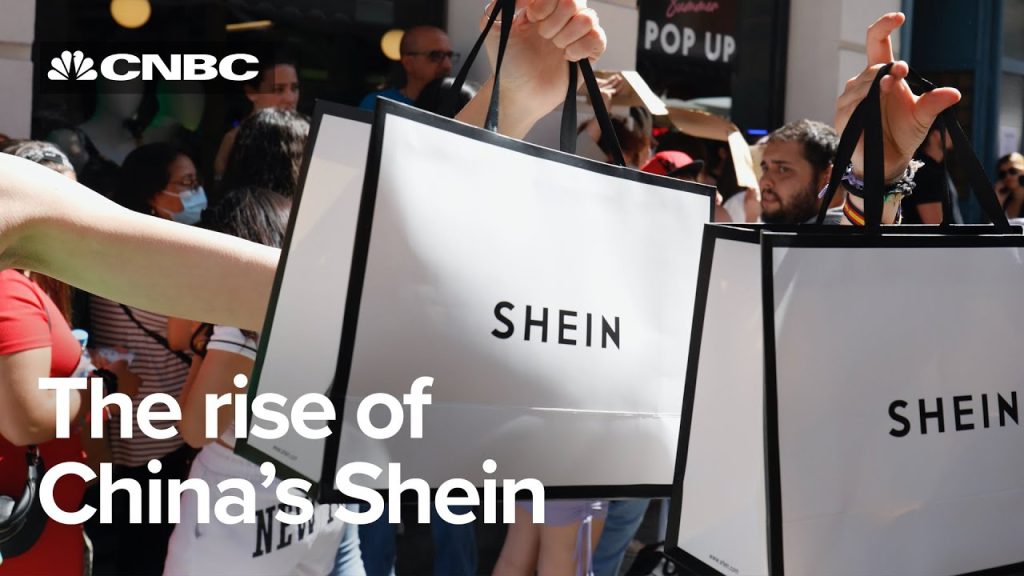
In a highly competitive market, Shein’s integration of data analytics with fashion design is revolutionary. As consumer demand for unique and trendy clothing continues to grow, understanding how Shein employs these automation tools becomes essential for grasping future directions in retail. By effectively leveraging technology to meet consumer needs, Shein not only maintains its edge over competitors but also reshapes the traditional paradigms of fashion retail, setting a standard for others to follow.
DISCOVER MORE: Click here to learn about the impact of personalization on customer experience
Harnessing the Power of Data Analytics
At the core of Shein’s automated fashion trend analysis is a sophisticated system of data analytics tools that provide real-time insights into consumer behavior. Shein capitalizes on vast amounts of data gleaned from various platforms, including social media interactions, website visits, and even customer purchase histories. This data isn’t just collected; it’s meticulously analyzed to understand patterns and predict future buying behaviors. By leveraging tools such as machine learning algorithms, the company can quickly decode what styles, colors, and fabrics are trending, ensuring a rapid response to market demands.
Through the implementation of AI-powered tools, Shein is able to track consumer sentiment and preferences as they evolve. For example, during peak fashion seasons or after major events, the brand can analyze data spikes to determine which items are gaining popularity. By doing so, Shein can adjust its inventory not just for efficiency but for a greater guarantee of sales. This level of responsiveness is paramount in fast fashion, where trends can shift overnight.
Real-Time Trend Identification
Shein’s real-time trend analysis process encompasses several critical steps:
- Social Media Monitoring: By continuously scanning social media for trending hashtags and influencers, Shein can identify potential breakout styles before competitors.
- Sales Performance Analysis: The company evaluates sales data to gauge which products resonate most with their customer base, prompting them to double down on successful designs.
- Customer Feedback Integration: Consumer reviews and feedback are analyzed to provide insights on product improvements or new designs that consumers favor.
This comprehensive approach not only streamlines Shein’s product development process but also fosters a culture of innovation. In contrast to traditional fashion brands that may rely on seasonal collections planned months in advance, Shein’s automation tools enable a faster fashion cycle, one that can introduce products within a matter of days following the identification of a trend.
Case Studies of Success
Numerous success stories illustrate how Shein’s automation has reshaped its overall operational strategy. A notable example occurs during significant cultural events or fashionable seasons when Shein sees a surge in specific styles. For instance, during the summer festivals, the brand witnessed a rise in demand for bohemian-style dresses and accessories. Utilizing automation tools, Shein was able to bring these trendy items to market rapidly, thus capitalizing on the moment. Such strategies enable Shein to not just meet consumer expectations but to set them.
In a retail environment governed by the principles of immediacy and agility, Shein’s deployment of real-time fashion trend analysis tools represents a paradigm shift in the ways fashion brands operate. This practice not only highlights the brand’s adeptness at leveraging technology but also prompts other retailers to rethink their approaches to trend responsiveness in an increasingly digital marketplace. As Shein continues to redefine the industry landscape, the focus on automated technology and real-time data analysis remains a crucial factor for its sustained success.
| Automation Tool | Advantages |
|---|---|
| Data Analytics Platforms | Facilitates informed decisions based on real-time consumer behavior patterns. |
| Predictive Analytics | Enhances inventory management by forecasting future trends and consumer demands accurately. |
| Social Media Monitoring | Allows Shein to track brand sentiment and consumer interests, tailoring offerings to real-time feedback. |
| Automated Design Tools | Enables rapid product development, significantly reducing the time from concept to availability in stores. |
As Shein embraces the digital era, its strategic utilization of automation tools for real-time fashion trend analysis empowers the brand to stay ahead in an ever-evolving market. The integration of data analytics platforms proves vital, as Shein harnesses consumer insights to drive informed decisions. This not only satisfies current trends but shapes future offerings, aligning design strategies more closely with consumer preferences.Predictive analytics becomes another cornerstone of Shein’s approach. By accurately forecasting future trends and consumer demands, the brand can maintain optimal inventory levels and minimize overstocks or missed sales opportunities. Furthermore, automated design tools facilitate swift design cycles, allowing for rapid adaptation to trend shifts—an undeniable advantage in today’s fast-paced fashion landscape. Shein’s nuanced approach to social media monitoring also deserves attention. By gauging brand sentiment and promptly responding to evolving consumer interests, the company positions itself to adapt effectively. This responsiveness underlines Shein’s commitment to understanding its audience, bolstering brand loyalty.
DISCOVER MORE: Click here to learn how data analysis transforms customer experiences
Enhancing Supply Chain Efficiency
The role of automation tools in Shein’s real-time fashion trend analysis extends beyond identifying trends; they are also instrumental in optimizing the entire supply chain. By utilizing predictive analytics, Shein can forecast demand for specific products with unprecedented accuracy. This not only minimizes waste but also ensures that inventory levels align tightly with consumer preferences. Automation streamlines operations from sourcing materials to production timelines, enabling Shein to meet the rapidly changing demands of its customer base more effectively.
One key element of Shein’s strategy is its agile manufacturing capabilities. This operational flexibility is supported by automation tools that provide detailed insights into production processes. For instance, Shein leverages automated production scheduling systems that react in real-time to shifts in demand. When a trend emerges, these systems can adjust production lines and allocate resources promptly, ensuring that popular items are available without the delays that traditional manufacturing might encounter.
Integration of AI and Machine Learning
Artificial Intelligence (AI) and machine learning are at the forefront of Shein’s automation approach, providing the backbone for many of its advanced systems. With continuous monitoring and data synthesis, AI algorithms are capable of analyzing myriad factors—from seasonal trends to micro-influences from social media. This dynamic intelligence enables Shein to make informed decisions regarding which styles to promote, when to launch them, and how to strategically market them.
This predictive capability has real-world implications. For example, through evaluating past consumer behaviors during similar trends, Shein can anticipate not only which designs will be popular but also the timing of their release. As trends gain traction on platforms such as TikTok or Instagram, Shein’s systems can trigger immediate design and production adaptations, resulting in new releases that are virtually instantaneous.
Smart Inventory Management
Managing inventory smartly is crucial in the fast-paced world of fashion retail. Shein’s automation tools incorporate advanced inventory management systems that provide real-time visibility into stock levels across various channels. This allows for real-time adjustments—if a particular item becomes unexpectedly popular, the system can allocate more resources immediately to ramp up production.
Additionally, by accurately predicting consumer demand using integrated data sources, Shein reduces the risk of overproduction and understocking. The result is not only a well-timed product launch but also a reduction in markdowns and unsold inventory, which can significantly affect profit margins. Research indicates that retailers who effectively implement automated inventory strategies can see a decrease in excess inventory by up to 30%, highlighting the impact of effectively integrating technology in retail operations.
Consumer-Centric Experience
Ultimately, Shein’s approach to automation also emphasizes enhancing the consumer experience. By responding swiftly to trends, Shein ensures that customers feel their preferences are prioritized. The company’s use of automation tools means that real-time feedback is not simply acknowledged but acted upon, allowing Shein to cultivate a responsive shopping environment.
Furthermore, through automation, Shein is equipped to tailor marketing campaigns that resonate more deeply with their target demographic. By segmenting customer data, Shein can launch personalized marketing messages that align with individual consumer tastes, ensuring that marketing efforts echo back the insights gained through real-time trend analysis.
As Shein continues to innovate within the retail landscape, the strategic implementation of automation highlights the importance of adopting technology to keep pace with consumer demands and industry shifts. This commitment to enhancing both the efficiency and experience within the fashion sphere positions Shein as a formidable player in the burgeoning digital retail market.
DIVE DEEPER: Click here to learn more
Conclusion
In a rapidly evolving fashion landscape, Shein’s implementation of automation tools for real-time trend analysis serves as a benchmark for the industry. By expertly integrating AI, machine learning, and advanced analytics, Shein not only identifies consumer preferences but also anticipates them with remarkable precision. This proactive approach enables the company to adapt swiftly to fluctuating trends, ensuring that popular styles are promptly produced and marketed.
Moreover, the seamless optimization of the supply chain and inventory management through automation leads to heightened efficiency, minimizing waste and maximizing profitability. The ability to react instantaneously to emerging trends significantly sets Shein apart from traditional retailers who may struggle with their production timelines. With smart inventory management, Shein drastically reduces the risk of overproduction, thereby enhancing overall profitability and sustainability.
Additionally, Shein’s commitment to providing a consumer-centric experience through automation means that customer feedback is not only collected but effectively utilized, creating a shopping environment that resonates with individual preferences. As the digital retail landscape continues to evolve, Shein’s pioneering use of automation tools positions it as an agile leader capable of navigating the complexities of contemporary fashion demands.
As other retailers observe these innovations, it prompts a broader inquiry into the future of fashion retail—an exploration of what techniques will emerge next in the quest for efficiency, responsiveness, and consumer satisfaction. For those keen on delving deeper into this subject, Shein’s ongoing journey offers a compelling case study of automation’s impact on both the business model and the customer experience.